7 Essential Plumbing Maintenance Tips to Prevent Costly Repairs
Trusted by homeowners across Burr Ridge and Chicago, IL
A single burst pipe can cost homeowners $5,000-$10,000 in water damage repairs, yet most plumbing disasters are completely preventable with proper plumbing maintenance tips that cost less than $200 per year. The difference between a minor inconvenience and a major financial catastrophe often comes down to spending just 30 minutes every few months on simple preventative tasks.
As third-generation plumbers serving the Chicago area since 1983, we’ve seen countless homeowners face devastating water damage that could have been avoided with basic maintenance. The good news? You don’t need professional training to protect your home—you just need the right knowledge and a consistent approach.

Why Preventative Plumbing Maintenance Saves Thousands in Repairs
Your home’s plumbing system works around the clock, moving thousands of gallons of water through pipes, fixtures, and appliances every month. Like any hardworking system, it needs regular attention to prevent small issues from becoming expensive emergencies.
The average homeowner spends $320 per year on plumbing repairs, according to Consumer Reports’ plumbing prevention guide. However, homes with proactive maintenance schedules spend less than $100 annually on repairs. The math is simple: an ounce of prevention truly is worth a pound of cure.
Consider these common scenarios we encounter as licensed plumbers in the Chicago area:
- Neglected water heater: A $15 anode rod replacement every 3-4 years prevents a $1,500 water heater failure
- Ignored slow drains: A $25 drain cleaning prevents a $800 sewer backup cleanup
- Overlooked supply line leaks: A $5 connector replacement prevents $3,000 in water damage
- Skipped sump pump maintenance: A $50 annual check prevents a $8,000 basement flood
The key insight? Most catastrophic plumbing failures don’t happen overnight. They develop slowly, giving you plenty of opportunities to catch and fix them before disaster strikes.
7 Critical Plumbing Maintenance Tasks Every Homeowner Should Know
These essential plumbing maintenance tips form the backbone of effective home plumbing maintenance. Master these seven tasks, and you’ll prevent 80% of common plumbing emergencies.
1. Test and Inspect Your Sump Pump
Your sump pump is your basement’s first line of defense against flooding. Test it every three months by pouring a bucket of water into the sump pit. The pump should activate automatically and remove the water quickly.
During inspection, check for:
- Unusual noises or vibrations
- Rust or corrosion on the pump housing
- Debris in the sump pit
- Proper float switch operation
Pro tip: Install a backup battery system for your sump pump to ensure protection during power outages, when basement flooding is most likely to occur.
2. Flush Your Water Heater and Check the Anode Rod
Sediment buildup reduces your water heater’s efficiency and shortens its lifespan. Flush your tank annually by connecting a hose to the drain valve and running water until it flows clear.
The anode rod—your water heater’s “sacrificial lamb”—protects the tank from corrosion. Check it every three years and replace it when more than 6 inches of core wire is exposed. This simple $15 part can extend your water heater’s life by 5-10 years.
3. Clean and Maintain Drains
Prevent costly backups with monthly drain maintenance. Pour hot water down drains weekly to dissolve soap residue and grease. For kitchen sinks, follow with a mixture of baking soda and vinegar.
Never ignore slow drains—they’re warning signs of developing clogs. Address them immediately with professional hydro jetting or enzyme cleaners rather than harsh chemical drain cleaners that can damage pipes.
4. Inspect Supply Lines and Shut-Off Valves
Check the flexible supply lines under sinks, behind toilets, and at appliances every six months. Look for:
- Bulging or cracking in braided steel lines
- Rust or mineral deposits at connections
- Water stains indicating slow leaks
- Loose connections that need tightening
Test shut-off valves annually by turning them off and on. Valves that haven’t been used in years often seize up, leaving you unable to stop water flow during emergencies.
5. Monitor Water Pressure
Install an inexpensive pressure gauge on an outdoor spigot to monitor your home’s water pressure. Ideal pressure ranges from 40-60 PSI. Pressure above 80 PSI can damage pipes, fixtures, and appliances.
If pressure is consistently high, install a pressure reducing valve. If it’s suddenly low, check for leaks or contact a licensed plumber to investigate potential supply line issues.
6. Maintain Your Garbage Disposal
Keep your garbage disposal running smoothly with weekly maintenance. Run cold water while operating the disposal and for 15 seconds after turning it off. Monthly, grind ice cubes to sharpen the blades and freshen with citrus peels.
Avoid putting grease, fibrous vegetables, bones, or non-food items down the disposal. These cause jams and expensive repair calls.
7. Check for Leaks Throughout Your Home
Conduct monthly leak detection walks through your home. The EPA’s Fix a Leak Week guidelines recommend checking:
- Toilet tanks for running water
- Faucet aerators for drips
- Showerheads for mineral buildup
- Basement and crawl spaces for pipe leaks
- Water meter for unexplained usage
A simple food coloring test in toilet tanks reveals hidden leaks: add a few drops, wait 30 minutes without flushing, and check if color appears in the bowl.
Seasonal Plumbing Maintenance: What to Check When
Effective plumbing preventative maintenance follows the seasons, addressing weather-related challenges before they cause problems.
Spring Maintenance (March-May)
Spring is recovery season after winter’s harsh conditions. University of Illinois Extension plumbing maintenance tips emphasize these critical tasks:
- Inspect outdoor faucets and hoses for freeze damage
- Check basement and crawl spaces for signs of winter pipe stress
- Test and service your sump pump before spring rains
- Clear debris from outdoor drains and downspouts
- Schedule professional drain cleaning for winter buildup
Summer Maintenance (June-August)
Summer’s heavy usage demands extra attention to high-traffic fixtures:
- Deep clean garbage disposals with ice and citrus
- Inspect washing machine hoses for wear
- Check sprinkler systems for leaks
- Test outdoor faucets and hose connections
- Monitor water pressure during peak usage periods
Fall Maintenance (September-November)
Fall preparation prevents winter disasters:
- Flush your water heater to remove summer sediment buildup
- Insulate pipes in unheated areas
- Disconnect and store garden hoses
- Shut off and drain outdoor water valves
- Check heating system connections and drainage
Winter Maintenance (December-February)
Winter maintenance focuses on freeze prevention:
- Keep indoor temperatures above 55°F when traveling
- Open cabinet doors during extreme cold
- Drip faucets during freeze warnings
- Monitor for ice dams affecting interior plumbing
- Keep emergency plumber contact information handy
Warning Signs That Require Professional Plumbing Inspection
While regular maintenance handles most issues, certain warning signs indicate you need professional help to avoid costly plumbing repairs.
Immediate Emergency Signs
Call a licensed plumber immediately if you notice:
- No water flow: Complete loss of water pressure indicates main line issues
- Sewage backups: Raw sewage in drains requires immediate professional attention
- Gas odors near water heater: Potential gas leaks are life-threatening emergencies
- Flooding from appliances: Water heater or washing machine floods need immediate shutoff and repair
Schedule Professional Service Within 24-48 Hours
These issues can worsen quickly but aren’t immediate emergencies:
- Multiple slow drains indicating main sewer line problems
- Water heater producing rusty or foul-smelling water
- Significant drops in water pressure
- Visible pipe corrosion or mineral buildup
- Unusual noises from pipes or appliances
Plan Professional Inspection Within A Week
Schedule routine professional maintenance for:
- Annual water heater service and anode rod replacement
- Backflow prevention testing (required annually in many areas)
- Main sewer line video inspection every 3-5 years
- Whole-house plumbing inspection when buying or selling
When DIY Maintenance Isn’t Enough: Professional Services That Matter
Smart homeowners know their limits. While basic maintenance saves money, professional services provide expertise and tools that prevent major failures.
Services Worth Professional Investment
Hydro Jetting: Professional high-pressure cleaning removes years of buildup that home methods can’t touch. Schedule every 2-3 years for homes with older pipes or frequent slow drains.
Backflow Prevention: Professional backflow testing protects your water supply from contamination and meets municipal requirements.
Pipe Inspection and Replacement: Modern camera technology identifies problems before they cause failures. Professional pipe installation ensures code compliance and long-term reliability.
Water Heater Service: Professional technicians have specialized tools for complete maintenance, including anode rod replacement, temperature calibration, and safety system testing.
Choosing The Right Professional
When selecting a licensed plumber Chicago homeowners can trust, look for:
- Proper licensing and insurance verification
- Established local reputation with verified reviews
- Transparent pricing without hidden fees
- Emergency service availability
- Warranty on work performed
At Ace Plumbers, our third-generation, family-owned business brings over 40 years of experience to every service call. We’re licensed, bonded, and insured with same-day emergency service throughout the Chicago western suburbs.
Creating Your Annual Plumbing Maintenance Schedule
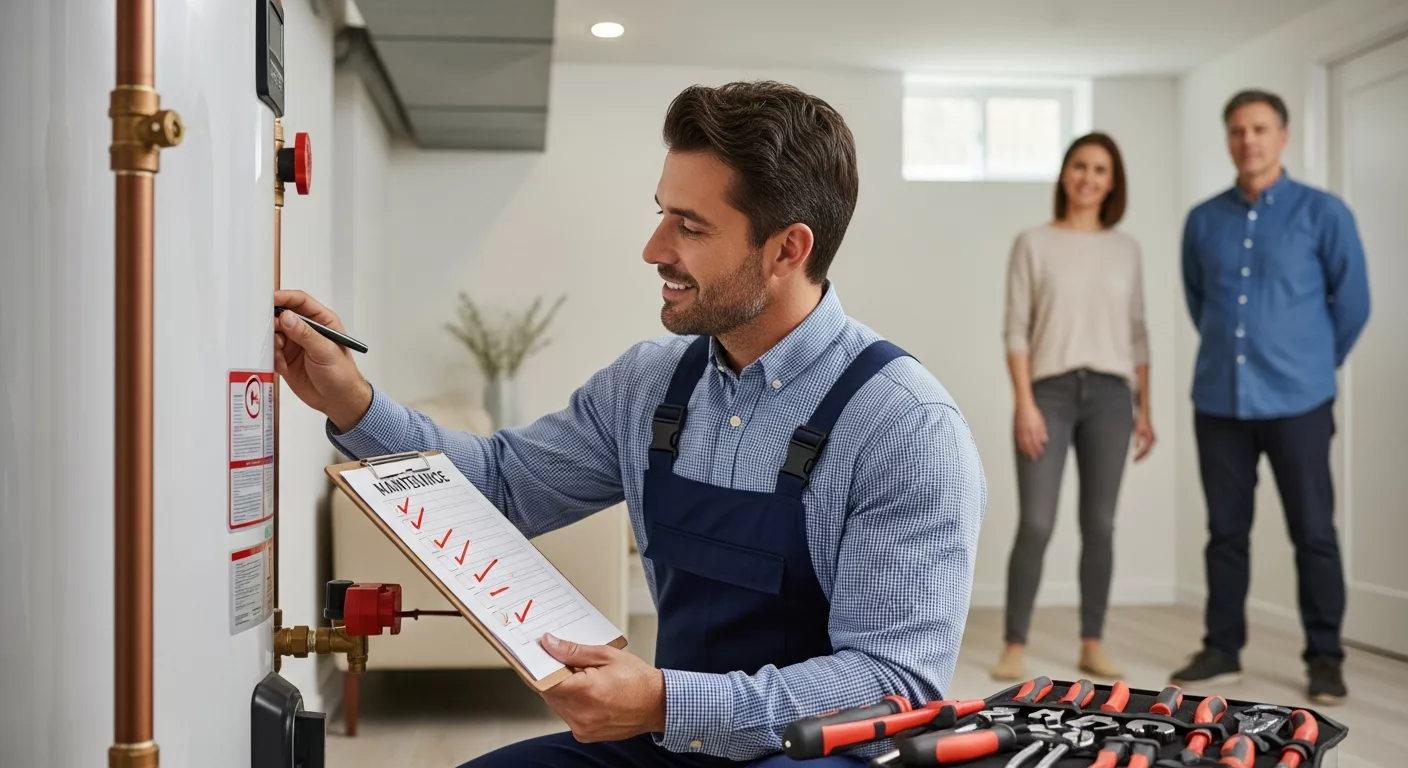
Consistency makes maintenance effective. Create a simple schedule using this comprehensive plumbing maintenance checklist as your foundation.
Monthly Tasks (First Saturday of Each Month)
- Test sump pump operation
- Check for visible leaks throughout the house
- Clean garbage disposal with ice and citrus
- Pour hot water down all drains
- Test toilet for hidden leaks with food coloring
Quarterly Tasks (Change of Seasons)
- Inspect supply lines and shut-off valves
- Check water pressure with gauge
- Clean aerators on faucets and showerheads
- Inspect washing machine hoses
- Test main water shut-off valve
Annual Tasks (Schedule with Professional if Needed)
- Flush water heater and inspect anode rod
- Professional drain cleaning or hydro jetting
- Backflow prevention testing (where required)
- Whole-house plumbing inspection
- Replace old supply lines and hoses
Making It Stick: Maintenance Success Tips
Set phone reminders for monthly tasks and calendar events for seasonal maintenance. Keep a simple log noting when tasks were completed and any issues discovered. Take photos of any concerns to discuss with professionals during service calls.
Consider the Plumbing-Heating-Cooling Contractors Association resources for additional maintenance guidance and finding qualified professionals in your area.
Protect Your Home and Your Wallet
Effective home plumbing maintenance isn’t complicated—it just requires consistency and attention to detail. The seven essential tasks outlined here, combined with seasonal awareness and professional support when needed, will keep your plumbing system running smoothly for decades.
Remember, the goal isn’t to become a plumbing expert yourself. It’s to catch small issues before they become major problems and know when to call for professional help. A few hours of maintenance each year can save you thousands in emergency repairs and protect your home from water damage.
Don’t wait for disaster to strike. Start your maintenance routine today, and your future self will thank you when your neighbors are dealing with burst pipes and flooded basements while your system runs perfectly.
Need professional plumbing maintenance or emergency service in the Chicago western suburbs? Ace Plumbers offers same-day service, transparent pricing, and the expertise that comes from over 40 years of family-owned operation. Call (708) 204-8602 or visit our Burr Ridge location at 8602 Wolf Rd. for reliable, professional plumbing services you can trust.
What’s the one plumbing maintenance task you’ve been putting off? Start there, and take the first step toward protecting your home’s most essential system.
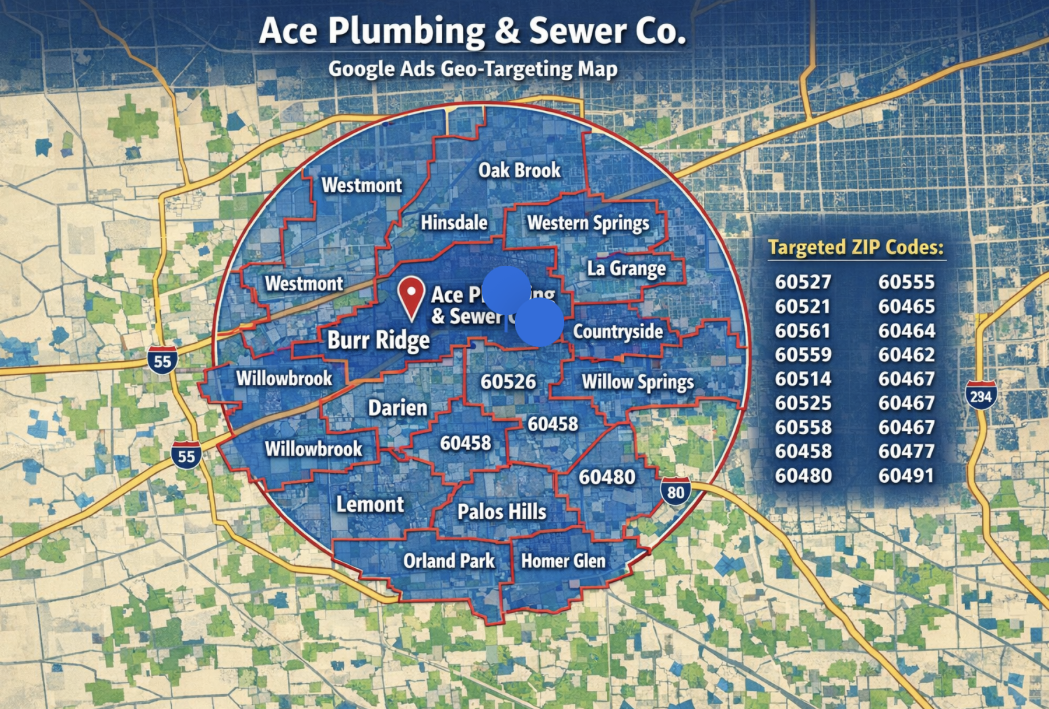
Proudly serving Burr Ridge and Southwest Chicago
Request a free quote
Tell us what’s going on and we’ll get right back to you. Need help now? Call and a real plumber answers 24/7.