Water Heater Maintenance: 7 Steps to Double Equipment Life
Trusted by homeowners across Burr Ridge and Chicago, IL
Your water heater should serve your property faithfully for 15 years or more, but most units fail after just 8-10 years due to one simple oversight: neglected water heater maintenance. At Ace Plumbers, our three generations of plumbing expertise have shown us that property owners who follow consistent maintenance routines can literally double their equipment’s lifespan while avoiding costly emergency replacements.
The difference between a water heater that lasts 8 years and one that serves you for 15+ years isn’t luck—it’s maintenance. Today, we’ll walk you through the exact steps that have helped our Chicago-area clients extend water heater life and avoid the frustration of cold showers and emergency repair bills.

Why Regular Water Heater Maintenance Prevents Costly Breakdowns
Water heaters work harder than almost any other appliance in your property. They operate 24/7, heating and reheating water while battling sediment buildup, corrosion, and mineral deposits. Without proper preventative maintenance, these issues compound until your system fails catastrophically.
Consider the math: replacing a commercial water heater can cost $3,000-$8,000, while residential units range from $1,200-$3,500. Compare that to annual maintenance costs of $150-$300, and the investment becomes obvious. But the real cost isn’t just the equipment—it’s the downtime, emergency service fees, and potential water damage.
According to Department of Energy water heater efficiency guidelines, well-maintained units also operate 10-15% more efficiently, reducing your energy bills year after year.
The most common failure points we see in our service calls are completely preventable:
- Sediment buildup that causes overheating and tank damage
- Corroded anode rods that allow tank rust
- Faulty temperature and pressure relief valves
- Loose electrical connections in electric units
- Dirty or malfunctioning gas burners in gas units
Every one of these issues can be caught and corrected during routine maintenance, preventing the cascade of problems that lead to complete system failure.
7 Essential Water Heater Maintenance Steps Every Property Owner Should Know
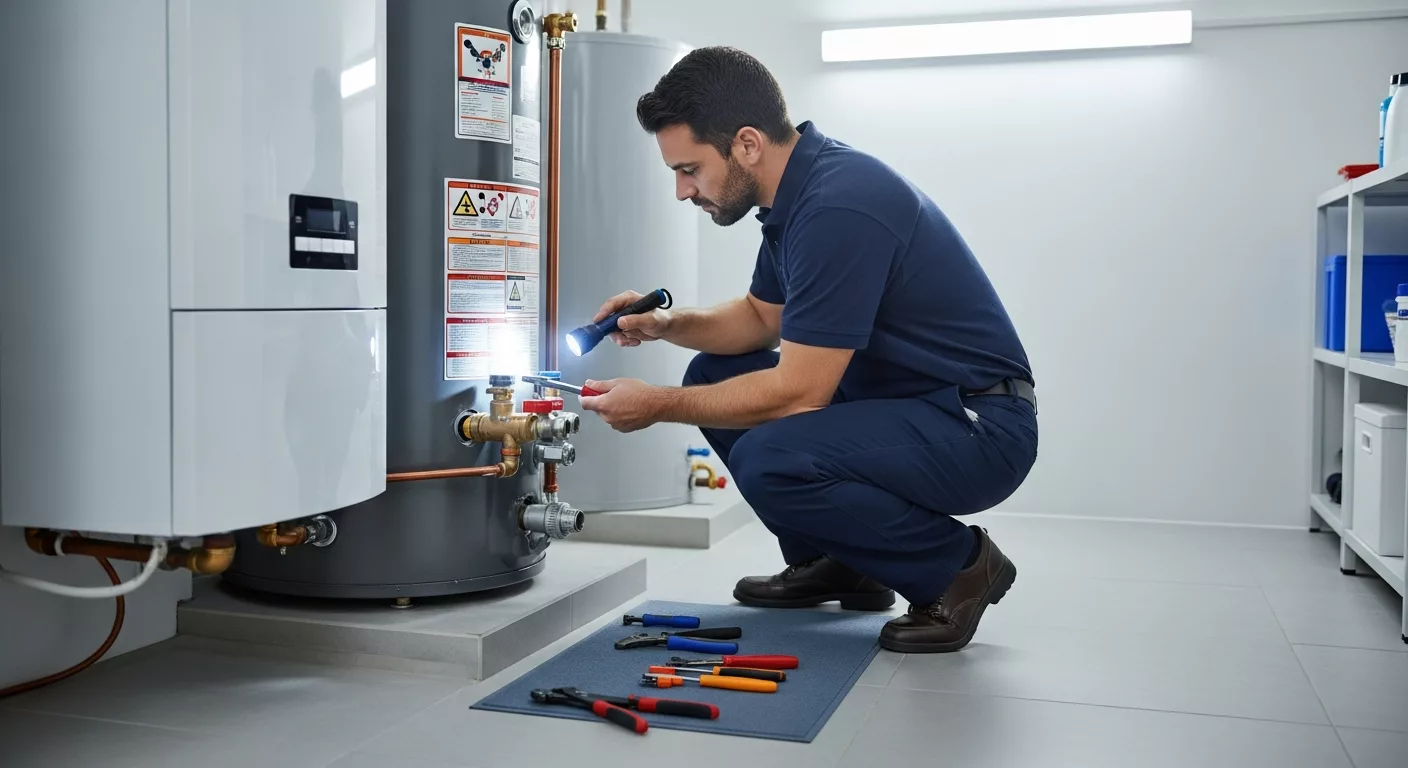
Based on four decades of experience serving Chicago properties, these seven maintenance steps form the foundation of any effective water heater tune up program. While some steps require professional service, others can be performed by property owners with basic tools and safety knowledge.
Step 1: Test the Temperature and Pressure Relief Valve
The T&P valve is your water heater’s primary safety device, preventing dangerous pressure buildup that could cause tank rupture. Test this valve every six months by lifting the lever slightly—you should hear a rush of air followed by water flowing into the drain tube.
If no water flows, or if the valve continues dripping after testing, replacement is necessary. This is a critical safety component that prevents catastrophic failure and potential injury.
Step 2: Drain and Flush the Tank
Sediment accumulation is the number one cause of premature water heater failure. Mineral deposits from hard water settle at the tank bottom, creating an insulating layer that forces your system to work harder while reducing capacity.
Annual tank flushing removes this buildup:
- Turn off power or gas to the unit
- Shut off cold water supply
- Connect a garden hose to the drain valve
- Open the drain valve and a hot water faucet nearby
- Flush until water runs clear
- Close drain valve and refill tank before restoring power
For properties with extremely hard water, consider semi-annual flushing to prevent excessive buildup.
Step 3: Inspect and Replace the Anode Rod
The anode rod is your tank’s sacrificial component, designed to corrode instead of your tank walls. Most property owners never think about this $20-$40 part, but it’s crucial for preventing expensive tank replacement.
Check the anode rod every 3-5 years by removing it from the tank top. If more than 6 inches of core wire is exposed, or if the rod is covered in calcium deposits, replacement is needed. This simple step can add 5+ years to your tank’s life.
Step 4: Check Electrical Connections and Components
For electric water heaters, loose connections create heat, reduce efficiency, and pose fire hazards. During maintenance, inspect all electrical connections for tightness, corrosion, or damage.
Test heating elements with a multimeter to ensure proper resistance. Most residential elements should read 10-16 ohms, while commercial units vary based on wattage. Replace any elements showing infinite resistance or readings outside manufacturer specifications.
Step 5: Clean and Inspect Gas Components
Gas water heaters require attention to burner assembly, venting, and gas connections. Clean the burner and heat exchanger annually to maintain efficient combustion and prevent dangerous carbon monoxide buildup.
Inspect the flue pipe for proper connection and clearances. Check gas connections with soap solution—any bubbling indicates dangerous leaks requiring immediate professional attention.
Step 6: Insulate Hot Water Pipes and Tank
Proper insulation reduces heat loss, improving efficiency and reducing recovery time. Insulate the first 6 feet of hot and cold water pipes connected to your unit, and consider a tank blanket for older units without factory insulation.
This simple upgrade can reduce standby heat losses by 25-45% according to University of Illinois water heater maintenance research, while protecting pipes from freezing damage.
Step 7: Monitor Performance and Document Issues
Keep maintenance records including service dates, component replacements, and performance observations. Track recovery time, temperature consistency, and any unusual noises or odors.
Document energy usage patterns to identify declining efficiency before it becomes a major problem. This information helps technicians diagnose issues quickly and proves invaluable for warranty claims.
Signs Your Water Heater Needs Professional Attention
While routine maintenance can prevent most problems, certain warning signs indicate immediate professional intervention is needed. Don’t ignore these red flags—early action prevents minor issues from becoming major emergencies.
Temperature and Performance Issues
Inconsistent water temperature often signals failing heating elements, thermostat problems, or sediment buildup affecting heat transfer. If your water heater repair needs include temperature fluctuations, reduced hot water capacity, or extended recovery times, professional diagnosis is essential.
Water that’s too hot despite proper thermostat settings indicates potential safety system failure. Water that never reaches proper temperature suggests element failure, gas supply issues, or thermostat malfunction.
Unusual Noises and Sounds
Rumbling, popping, or crackling sounds during heating cycles indicate significant sediment buildup. These noises occur when water bubbles through sediment layers, causing premature wear and reduced efficiency.
Whistling or screeching sounds suggest valve problems or restricted water flow. Banging noises might indicate thermal expansion issues requiring professional attention to prevent pipe damage.
Visible Damage and Leaks
Any water around your unit base requires immediate investigation. Tank leaks typically start small but worsen quickly, potentially causing extensive property damage.
Rust-colored water indicates internal corrosion, suggesting anode rod failure and potential tank replacement needs. White or yellowish deposits around fittings signal mineral buildup and possible leak development.
Commercial vs. Residential Water Heater Maintenance: Key Differences
Commercial water heater service involves significantly different challenges than residential maintenance. Commercial systems operate under higher demand, serve multiple users, and often include complex piping and control systems.
Scale and Complexity
Commercial units typically range from 75-400+ gallons compared to residential 40-80 gallon systems. Larger tanks require specialized equipment for proper maintenance, including commercial-grade flushing pumps and extended-reach tools for anode rod service.
Many commercial installations include multiple units, recirculation systems, and sophisticated controls requiring specialized knowledge for proper maintenance and troubleshooting.
Regulatory and Safety Requirements
Commercial properties face stricter safety regulations, regular inspections, and liability concerns that don’t apply to residential installations. Plumbing-Heating-Cooling Contractors Association standards require specific procedures for commercial maintenance.
Backflow prevention systems, commercial-grade expansion tanks, and seismic restraints add complexity requiring trained technicians familiar with commercial codes and standards.
Downtime Considerations
Residential water heater failure inconveniences a family. Commercial failure can shut down restaurants, hotels, or office buildings, creating significant revenue loss and liability exposure.
Commercial maintenance requires careful scheduling, backup procedures, and rapid response capabilities that most residential contractors can’t provide.
How Preventative Maintenance Reduces Downtime and Emergency Repairs
The most successful property managers understand that preventative maintenance isn’t an expense—it’s insurance against costly downtime and emergency service calls.
Our maintenance contract clients experience 75% fewer emergency calls compared to reactive-service-only properties. This dramatic difference stems from catching small problems before they cascade into system failures.
Predictable Maintenance vs. Emergency Chaos
Scheduled maintenance happens at your convenience, during normal business hours, with proper planning and preparation. Emergency repairs happen at the worst possible times—weekends, holidays, and during peak demand periods.
Emergency service rates typically cost 1.5-3 times normal rates, plus expedited parts costs and potential overnight shipping fees. Factor in business disruption, customer complaints, and property damage risks, and preventative maintenance becomes obviously cost-effective.
Extended Equipment Warranties
Many manufacturer warranties require documented maintenance to remain valid. Professional service records prove proper care, protecting your warranty investment and ensuring coverage when component failures occur.
Extended warranties and service agreements often include preferential pricing on parts and labor, plus priority scheduling that keeps your property operational during peak demand periods.
When to Call Licensed Commercial Plumbing Experts for Service
While basic maintenance tasks can be handled in-house, complex commercial systems and safety-critical repairs require professional expertise. Knowing when to call a licensed plumber Chicago area protects your investment and ensures code compliance.
Gas Line Work and Safety Systems
Any work involving gas lines, combustion analysis, or safety system modifications requires licensed professionals. Gas leaks, venting problems, and combustion issues pose serious safety risks requiring immediate expert attention.
Carbon monoxide concerns, pilot light problems, and gas valve failures fall into this critical category where DIY attempts can create dangerous situations.
Electrical Work and Code Compliance
Electrical modifications, thermostat replacement, and heating element changes often require permits and licensed electrician involvement. Commercial properties face additional inspection requirements that only qualified professionals should handle.
GFCI protection, proper grounding, and electrical load calculations require expertise that prevents safety hazards and ensures code compliance.
System Integration and Controls
Modern commercial water heating systems integrate with building management systems, demand controllers, and complex piping networks. These sophisticated systems require specialized training and diagnostic equipment.
Recirculation pumps, mixing valves, and zone controls add complexity that generic plumbers may not understand, making specialized commercial plumbing expertise essential.
Key Takeaways for Maximum Water Heater Life
Successful water heater maintenance combines regular DIY tasks with professional service visits. The Consumer Reports water heater maintenance guide confirms that properties following comprehensive maintenance programs achieve 15+ year equipment life consistently.
Remember these essential points:
- Annual tank flushing prevents sediment damage
- Anode rod replacement every 3-5 years prevents tank corrosion
- Safety valve testing ensures proper operation
- Professional service catches problems early
- Documentation protects warranties and tracks performance
- Commercial systems require specialized expertise
- Emergency repairs cost 3x more than preventative maintenance
At Ace Plumbers, our four decades of Chicago-area service have taught us that property owners who invest in regular maintenance enjoy reliable hot water, lower energy costs, and peace of mind. Our water heater service programs include comprehensive maintenance contracts designed specifically for commercial and residential properties.
Don’t wait for emergency failure to address your water heater needs. Professional maintenance costs a fraction of emergency replacement, while ensuring your system delivers reliable performance for years to come.
Ready to protect your water heater investment and avoid costly emergency repairs? Contact our licensed professionals at (708) 204-8602 to schedule your comprehensive maintenance service. Our team serves the greater Chicago western suburbs with the expertise and reliability that comes from three generations of plumbing excellence.
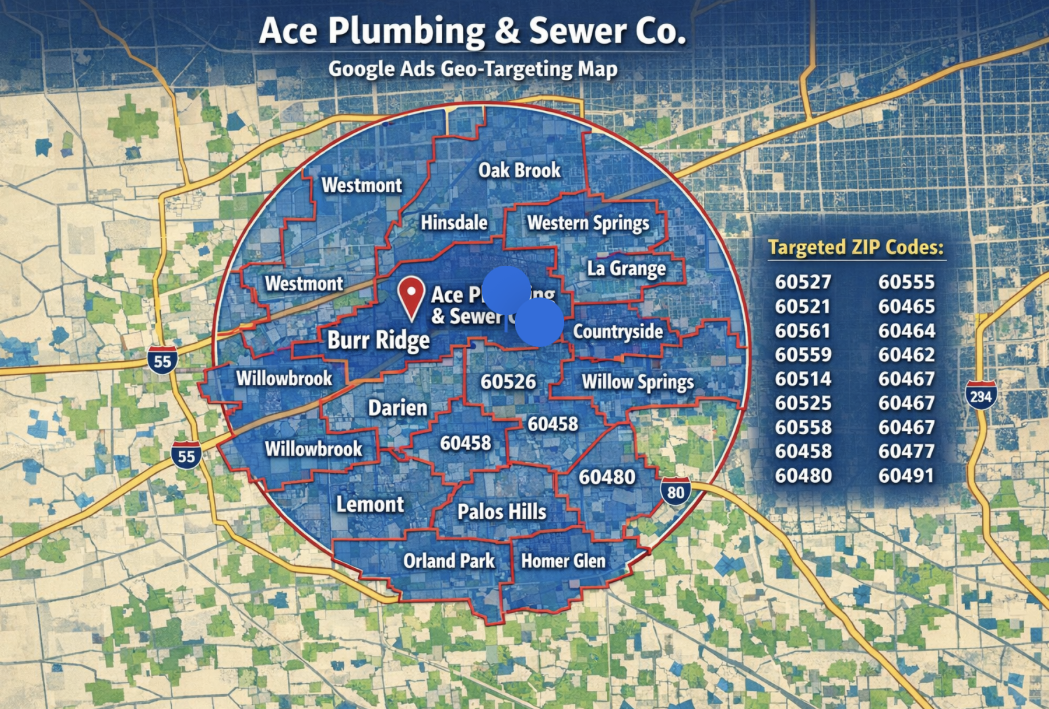
Proudly serving Burr Ridge and Southwest Chicago
Request a free quote
Tell us what’s going on and we’ll get right back to you. Need help now? Call and a real plumber answers 24/7.