Pipe Replacement in Westmont-Modern Materials, Minimal Disruption
Trusted by homeowners across Burr Ridge and Chicago, IL
Pipe replacement is a critical home maintenance task that many Westmont homeowners face. Gone are the days of extensive excavation and property damage.
At Ace Plumbing & Sewer, we’ve embraced modern materials and techniques that minimize disruption while maximizing efficiency. Our advanced methods not only save time and money but also extend the lifespan of your plumbing system.
This post will guide you through the signs it’s time for replacement, the latest pipe materials, and our cutting-edge, minimally invasive techniques.
When Should You Replace Your Pipes?
Recognizing the right time to replace your pipes can save you from costly water damage and health hazards. Let’s explore the key indicators that signal it’s time for a pipe replacement.
Persistent Leaks and Water Damage
Constant leaks indicate failing pipes. The Environmental Protection Agency reports that the average household’s leaks can account for more than 10,000 gallons of water wasted every year, or the amount of water needed to wash 270 loads of laundry. Don’t ignore small drips or damp spots on walls and ceilings. These can quickly escalate into major structural damage.

Water Quality Issues
Your water should be clear and odorless. Discoloration, sediment, or a metallic taste might indicate corroding pipes. This is common in homes built before the 1980s that still have their original plumbing. Rusty water isn’t just unpleasant – it can also release harmful contaminants into your water supply.
Pressure Problems
Low water pressure throughout your home often signals pipe problems. It could mean mineral buildup restricts water flow, or worse, you have a hidden leak somewhere in your system. A gradual decrease in water pressure over time warrants a professional inspection.
Unexplained Increases in Water Bills
Monitor your water bills closely. The average daily indoor per person water use in the typical single family home is 74.0 gallons per day. Significantly higher usage without explanation could point to hidden leaks. A sudden spike in your water bill (without a change in usage patterns) raises a red flag that requires immediate attention.
Age of Your Plumbing System
The age of your pipes plays a significant role in determining when to replace them. Different materials have varying lifespans:
- Brass pipes: 40-70 years
- Copper pipes: 50-70 years
- Galvanized steel pipes: 20-50 years
- PVC pipes: 25-40 years
If your plumbing system approaches or exceeds these age ranges, consider a professional assessment to evaluate its condition.
Don’t wait for a catastrophic failure to address your plumbing issues. Regular inspections and timely replacements prevent major headaches down the line. If you experience any of these signs, it’s time to consider a professional assessment of your plumbing system. The next section will explore the modern pipe materials that offer lasting solutions for your replacement needs.
Modern Pipe Materials for Lasting Results
Selecting the right pipe material is essential for longevity and performance in plumbing systems. Let’s explore the top contenders in today’s market and their unique benefits.
PEX: Flexibility Meets Durability
Cross-linked polyethylene (PEX) piping has transformed residential plumbing. Its flexibility reduces potential leak points due to fewer fittings. Studies indicate that well-maintained PEX-AL-PEX pipes can last over 50 years, making them a reliable choice for various applications.
PEX installation takes 30% less time than traditional copper piping, which translates to lower labor costs. It’s also more affordable, with material costs about 1/3 that of copper. PEX maintains its integrity without corrosion or scale buildup over its lifespan, ensuring consistent water quality and pressure.

CPVC: Heat-Resistant and Cost-Effective
Chlorinated polyvinyl chloride (CPVC) pipes excel in hot water applications. They withstand temperatures up to 200°F, making them ideal for water heater connections and hot water lines. CPVC’s smooth interior walls resist mineral buildup, maintaining efficient water flow over time.
While slightly pricier than standard PVC, CPVC offers superior durability and heat resistance. It costs about 30-40% less than copper piping, providing a cost-effective solution for both cold and hot water lines. A 2022 study by the Residential Water Association found that homes using CPVC pipes reported 25% fewer instances of leaks and plumbing issues.
Copper: The Time-Tested Standard
Copper remains a top choice for many plumbing applications despite newer alternatives. Its natural antimicrobial properties inhibit bacterial growth, ensuring cleaner water. Copper pipes last 50-70 years (sometimes even longer with proper maintenance).
While copper costs more upfront, its longevity and recyclability make it an environmentally conscious choice. It suits outdoor applications well, resisting UV damage and extreme temperatures. Copper’s reliability in high-pressure systems also makes it a favorite for main water lines.
Making the Right Choice for Your Home
The best pipe material depends on various factors, including your home’s specific needs, local water quality, and budget. Here’s a quick comparison:
- PEX: Best flexibility and freeze resistance (ideal for retrofit installations)
- CPVC: Excellent heat resistance at a moderate cost (perfect for hot water lines)
- Copper: Unmatched durability and antimicrobial benefits (suited for main lines and outdoor use)
Professional guidance proves key to making an informed decision. Whether you deal with an aging system or plan a new installation, expert assessment ensures you select materials that meet current needs and provide long-term value. The next section will explore minimally invasive pipe replacement techniques that complement these modern materials.
How We Replace Pipes Without Digging
At The Ace Plumber, we use cutting-edge techniques to replace pipes with minimal disruption to your property. These methods save time and money while preserving your landscaping and structures.
Trenchless Pipe Replacement
Trenchless technology has revolutionized the pipe replacement industry. This method allows us to install new pipes without extensive excavation. We typically only need to dig two small access points at the beginning and end of the pipe section.
One popular trenchless method is pipe bursting. We insert a bursting head into the old pipe, which breaks it apart while simultaneously pulling a new pipe into place. This technique is ideal for completely replacing damaged sewer or water lines.
Pipe Relining
For pipes that aren’t completely deteriorated, we often recommend pipe relining. This process involves inserting a flexible liner coated with epoxy resin into the existing pipe. Once in place, we inflate the liner, allowing it to adhere to the inside of the old pipe. The resin then cures, creating a new, smooth surface within the existing pipe.
Pipe relining is particularly effective for sewer and drain pipes.
Benefits for Property Owners
These minimally invasive techniques offer numerous advantages:
- Cost-effective: Less excavation required means significantly reduced labor costs.
- Time-saving: Most trenchless replacements take only a day or two (compared to weeks for traditional methods).
- Landscape preservation: Your yard, driveway, and other structures remain largely untouched.
- Improved flow: The smooth interior of new pipes or linings often improves water flow and reduces the risk of future clogs.

Choosing the Right Method
We assess each situation to determine the most appropriate method for your specific needs. Our team is trained in the latest trenchless technologies, ensuring you receive the most efficient and cost-effective solution for your pipe replacement project.
Factors we consider include:
- The extent of pipe damage
- The type and location of the pipes
- Your budget and timeline
- Local regulations and permits
Try to schedule a consultation with us to discuss which method might work best for your property. We’ll provide a detailed assessment and transparent quote (with no hidden fees or surprises).
Final Thoughts
Pipe replacement stands as a vital investment in your home’s future. Modern materials like PEX, CPVC, and copper offer increased durability and improved efficiency for plumbing systems. These advancements, coupled with innovative techniques such as trenchless methods, provide minimal disruption to your property while delivering superior results.
Ace Plumbing & Sewer specializes in pipe replacement services tailored to specific needs. We use cutting-edge technology and high-quality materials to ensure optimal plumbing function. Our professional team assesses each situation to provide efficient, long-lasting solutions (without hidden fees or surprises).
Proactive pipe replacement can prevent future plumbing emergencies and expenses. Whether you face aging pipes, frequent leaks, or water quality issues, our expert team stands ready to help. Trust Ace Plumbing & Sewer to maintain smooth water flow and protect your property.
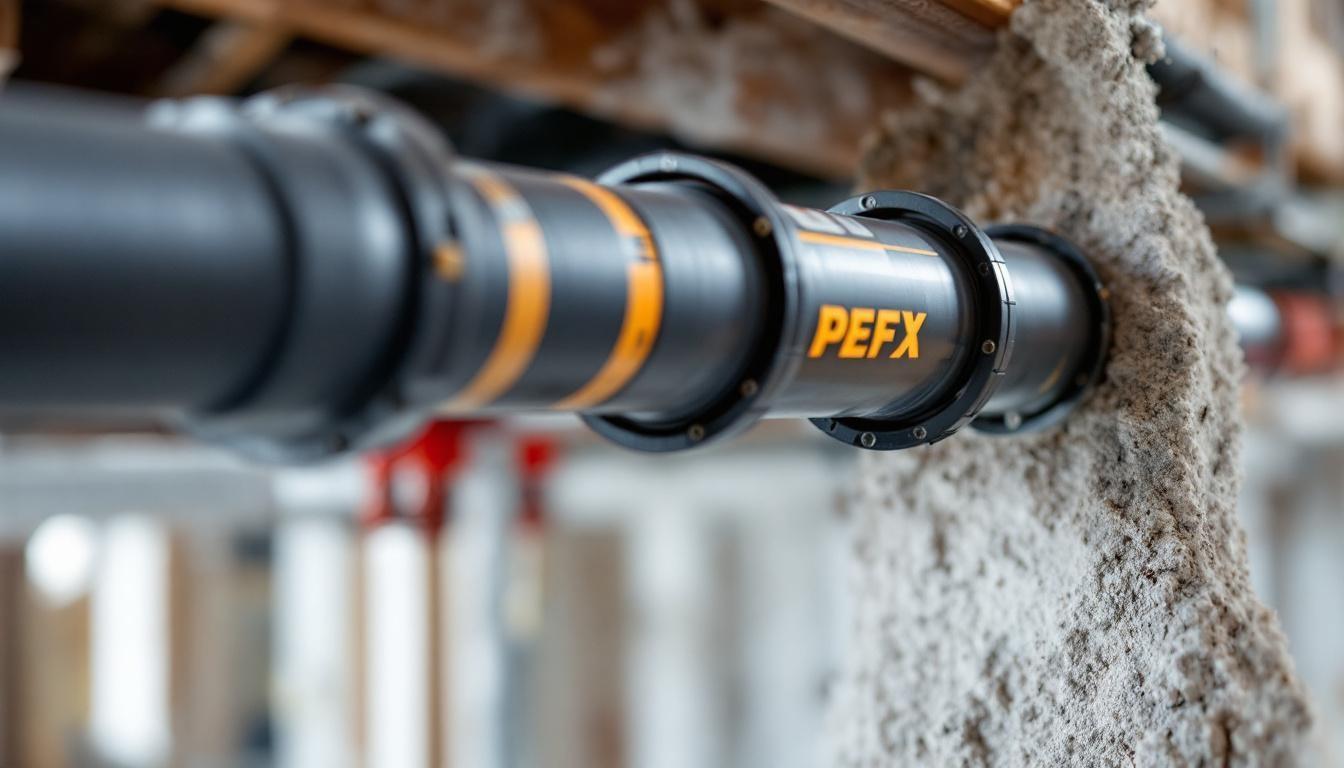
Proudly serving Burr Ridge and Southwest Chicago
Request a free quote
Tell us what’s going on and we’ll get right back to you. Need help now? Call and a real plumber answers 24/7.