Hydro Jetting vs Snaking Which is Right for You?
Trusted by homeowners across Burr Ridge and Chicago, IL
Dealing with clogged drains can be a frustrating experience for homeowners and businesses alike. At Ace Plumbing & Sewer, we often get asked about the best methods for clearing stubborn blockages.
Two popular options are hydro jetting and snaking, but which one is right for your situation? In this post, we’ll compare hydro jetting vs. snaking to help you make an informed decision about the most effective solution for your plumbing needs.
Understanding Hydro Jetting
What is Hydro Jetting?
Hydro jetting is a powerful plumbing technique that uses high-pressure water to clear stubborn clogs and clean pipes. This method proves particularly effective for commercial properties dealing with severe blockages.
The Power of Pressurized Water
Hydro jetting employs water pressurized up to 4,000 PSI (pounds per square inch), which cuts through tough obstructions like tree roots, grease buildup, and mineral deposits. This high-pressure stream not only clears the blockage but also scours the pipe walls, removing years of accumulated debris.
Benefits for Commercial Properties
For commercial properties, hydro jetting offers several key advantages:
- Thorough Cleaning: Unlike snaking, which merely creates a hole in the clog, hydro jetting cleans the entire pipe diameter. This promotes better flow and reduces the likelihood of future blockages.
- Long-Lasting Results: The comprehensive cleaning provided by hydro jetting can extend the time between necessary maintenance, which saves businesses money in the long run.
- Versatility: This method works effectively for pipes ranging from 1.5 to 9 inches in diameter, making it suitable for various commercial plumbing systems.

When to Choose Hydro Jetting
Hydro jetting proves particularly effective for:
- Restaurants and food service businesses dealing with grease buildup
- Industrial facilities with mineral deposit issues
- Properties with recurring drain problems
- Older buildings with years of accumulated debris in their pipes
While hydro jetting offers a powerful solution, it’s not always the best choice. Very old or fragile pipes might not withstand the high pressure. Professional plumbers always perform a thorough inspection before recommending hydro jetting or any other method.
As we move on to explore snaking, it’s important to understand how these two methods compare in effectiveness and application.
What is Snaking and When Should You Use It?
The Basics of Snaking
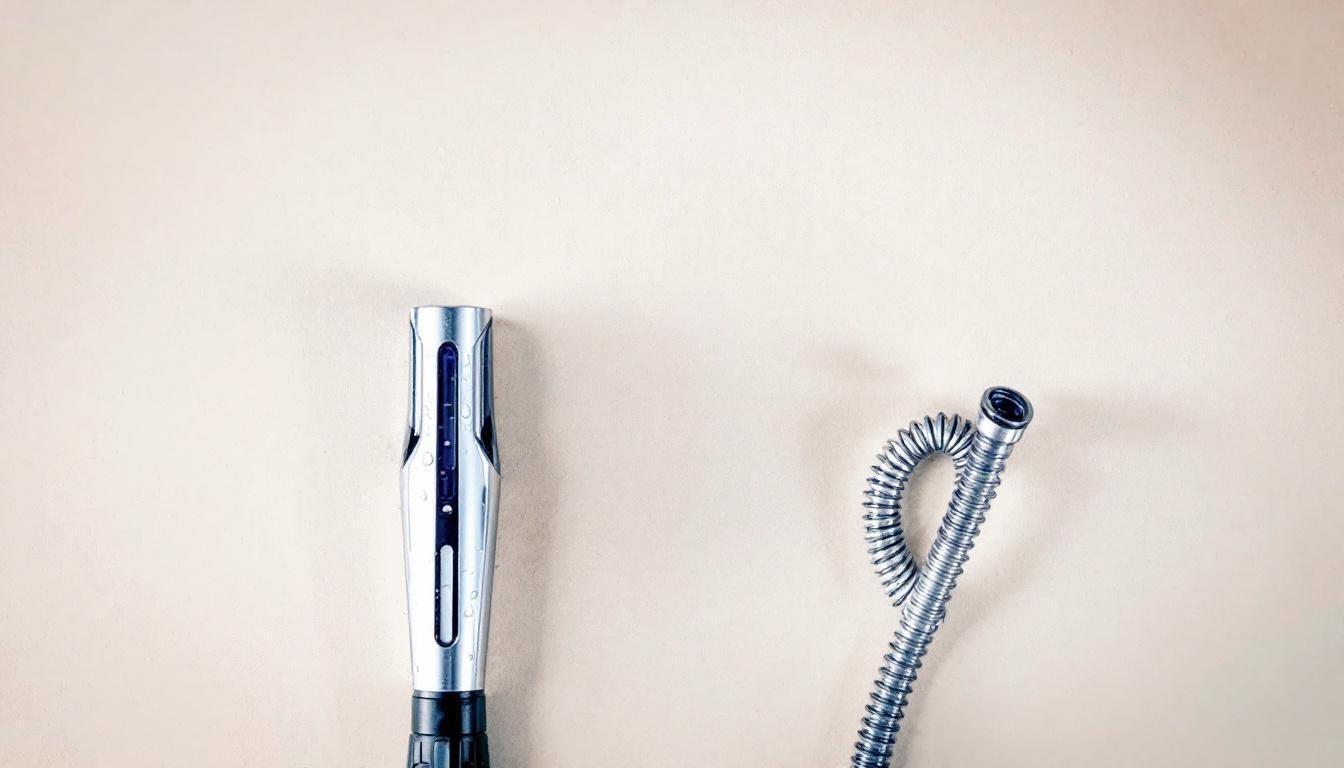
Snaking, also known as drain rodding, is a tried-and-true method for clearing clogs in residential plumbing systems. This technique uses a long, flexible auger with a corkscrew-like tip to navigate through pipes and break up or retrieve obstructions. The snake’s flexibility allows it to maneuver through bends in the plumbing system, making it ideal for tackling clogs in sinks, toilets, and shower drains.
Effectiveness and Speed
The International Association of Plumbing and Mechanical Officials (IAPMO) recognizes snaking as a plumbing technique. A professional can often complete the process in less than an hour, providing quick relief for common household clogs.
Advantages for Homeowners
Snaking offers several benefits for residential plumbing:
- Cost-Effective Solution: Drain cleaning costs average about $241, but can range between $147 and $345, depending on the location and extent of the clog.
- Gentle on Pipes: This technique is less invasive compared to high-pressure water jetting, which makes it suitable for older homes with more delicate plumbing systems.
- Potential for DIY: While professional service is recommended for persistent clogs, homeowners can often address minor blockages with a hand-operated snake available at most hardware stores.

Ideal Scenarios for Snaking
Snaking proves most effective in the following situations:
- Localized Clogs: For a single slow-draining sink or a clogged toilet, snaking often provides the perfect solution.
- Preventative Maintenance: Annual snaking can prevent severe blockages from forming, especially in areas prone to hair accumulation (such as bathroom sinks and showers).
- Older Plumbing Systems: Homes with fragile pipes that might not withstand the pressure of hydro jetting can benefit from the gentler approach of snaking.
- Quick Fixes: When you need a rapid solution for a minor clog, snaking can often resolve the issue in a single visit.
While snaking excels at addressing many residential plumbing issues, it may not suffice for more severe or widespread clogs. In such cases, alternative techniques like hydro jetting might become necessary. The next section will explore how these two methods compare in effectiveness and application for various plumbing scenarios.
Which Method Clears Clogs Best?
Effectiveness Against Different Clogs
Hydro jetting removes tough blockages like grease buildup, mineral deposits, and tree roots. Its high-pressure water stream scours pipe walls clean. This makes it effective for commercial properties with heavy usage, such as restaurants or industrial facilities.
Snaking often suffices for typical household clogs caused by hair, soap scum, or small objects. It works well for localized blockages in sinks, toilets, and shower drains. However, snaking may not effectively address more widespread or stubborn obstructions.
Cost Considerations
The cost difference between these methods can be significant. Snaking costs less, with average prices ranging from $100 to $250 per service. Hydro jetting, due to its advanced equipment and thorough cleaning, typically costs between $350 and $600 (with severe clogs potentially reaching over $1,200).
Hydro jetting has a higher upfront cost but often provides longer-lasting results. This can lead to fewer repeat visits and potentially lower long-term maintenance costs, especially for commercial properties prone to frequent clogs.

Impact on Plumbing Systems
Snaking treats pipes more gently, making it suitable for older homes or delicate plumbing systems. However, repeated snaking can sometimes cause minor scratches or damage to pipe interiors.
Hydro jetting, when performed by professionals, remains safe for most modern plumbing systems. It benefits pipes with years of buildup, as it restores them to near-original condition. However, a thorough inspection should precede hydro jetting to ensure the pipes can withstand the pressure.
Choosing the Right Method
The choice between hydro jetting and snaking depends on your specific situation. For persistent or severe clogs (especially in commercial settings), hydro jetting often provides the most thorough and long-lasting solution. For minor, localized blockages in residential plumbing, snaking usually suffices and costs less.
Environmental Considerations
Hydro jetting uses only water, making it an environmentally friendly option compared to chemical drain cleaners. Snaking also avoids harsh chemicals, but it may not remove all debris from pipes, potentially leading to future clogs.
Final Thoughts
Hydro jetting vs snaking presents a choice between power and gentleness in plumbing maintenance. Hydro jetting excels at removing severe blockages and years of buildup, while snaking tackles typical household clogs effectively. The decision depends on factors such as clog severity, pipe condition, and long-term maintenance goals.
Professional assessment proves invaluable when selecting the right method for your plumbing needs. At Ace Plumbing & Sewer, our expert team evaluates each situation to recommend the most appropriate solution. We offer both hydro jetting and snaking services, ensuring we address your plumbing issues efficiently.
Every plumbing problem requires a unique approach (which we tailor to your specific needs). Whether you face a stubborn residential clog or require commercial plumbing maintenance, we stand ready to assist. Don’t let plumbing issues disrupt your life or business operations. Contact Ace Plumbing & Sewer today for smooth-flowing pipes and peace of mind.
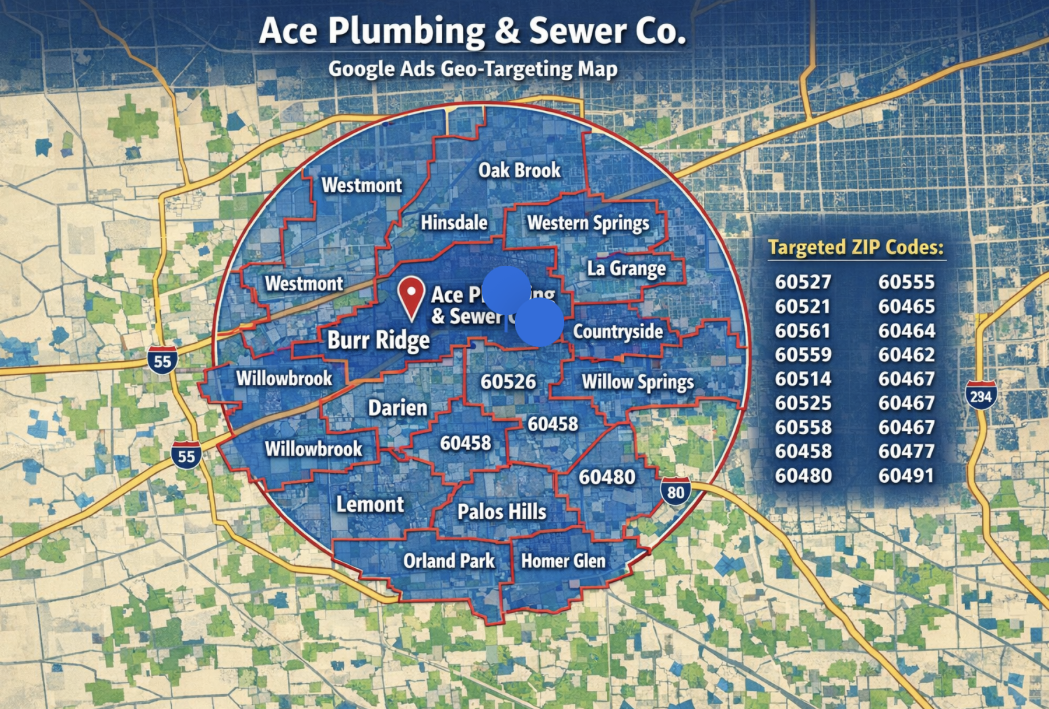
Proudly serving Burr Ridge and Southwest Chicago
Request a free quote
Tell us what’s going on and we’ll get right back to you. Need help now? Call and a real plumber answers 24/7.