How to Repair Your Main Sewer Line
Trusted by homeowners across Burr Ridge and Chicago, IL
Your main sewer line is the backbone of your home’s drainage system. When it fails, you’re looking at backed-up toilets, foul smells, and expensive damage to your yard.
We at Ace Plumbing & Sewer help homeowners in Burr Ridge, Hinsdale, and nearby areas handle these problems before they spiral out of control. This guide walks you through the warning signs, what causes damage, and your repair options.
What Warning Signs Show Your Sewer Line Is Failing?
Multiple Drains Back Up at Once
When your main sewer line starts to fail, your home sends unmistakable signals. Multiple drains backing up simultaneously is the clearest red flag-if your toilet, shower, and kitchen sink all drain slowly or overflow at the same time, the problem sits in your main line, not individual fixtures. This happens because wastewater has nowhere to go; it reverses back into your home instead of flowing toward the municipal system. A typical family of four sends 200-300 gallons through the system every day, so when that flow stops, backups happen fast.
Foul Odors Signal Trapped Sewage
Foul odors drifting through your home or yard point to trapped sewage in damaged pipes. These smells are serious-sewer gas contains hydrogen sulfide, which causes headaches, dizziness, and respiratory irritation at high concentrations. If you notice a persistent rotten-egg smell indoors or near your foundation, that’s your cue to call a licensed plumber immediately, especially if you live in Hinsdale, Clarendon Hills, Western Springs, or nearby communities where older clay and cast-iron pipes are common.
Your Yard Reveals Underground Damage
Your yard tells the story too. Soggy patches that stay wet even after dry weather, or small sinkholes forming near your foundation or septic area, indicate leaking sewage saturating the soil. These aren’t cosmetic issues-they signal structural damage to your sewer line. Tree roots, the leading cause of sewer line failure, exploit small cracks in aging pipes and create blockages that force water upward into your yard.

Greener patches of grass overlying your sewer line may seem appealing, but that lush growth feeds on leaked nutrients from sewage. Ground settling from heavy rain, freeze-thaw cycles, or clay soil shifting cracks pipes and misaligns joints, especially in older homes built before modern trenchless repair methods existed.
Get a Sewer Camera Inspection Before Major Work Begins
A sewer camera inspection reveals exactly what’s wrong inside your line-whether it’s a root intrusion, broken pipe, or offset joint-before you authorize expensive excavation work. This non-invasive service lets technicians see the damage firsthand (tree roots, corrosion, or misaligned sections) without digging up your yard. The cost ranges from $230 to $2,600, a small price compared to fixing extensive damage from undetected sewer line problems. If you spot multiple warning signs together in Hodgkins, La Grange, or surrounding areas, schedule this inspection right away to understand your plumbing repair options and next steps.
What Damages Your Main Sewer Line
Tree Roots Exploit Aging Pipes
Tree roots rank as the leading cause of sewer line failure in homes around Burr Ridge, Hinsdale, Hodgkins, and La Grange. Roots don’t puncture pipes intentionally-they follow moisture and exploit existing cracks in clay, cast-iron, and older plastic pipes. Once inside, roots create fibrous blockages that trap grease, hair, and solid waste, forming what plumbers call root masses. These blockages force sewage backward into your home. The problem accelerates because roots continue growing; a pencil-thin root intrusion becomes a fist-sized obstruction within months.
Corrosion Weakens Pipe Walls Over Time
Pipe corrosion compounds the damage significantly. Cast-iron pipes, installed in homes built before 1970, corrode from the inside out due to acidic wastewater and hydrogen sulfide exposure. Cast-iron sewer pipes often surpass 100 years of service, outliving PVC, HDPE, and clay pipes. Clay pipes deteriorate similarly, developing cracks at joints where sections connect. When corrosion weakens pipe walls, small fractures widen, and roots exploit those openings. Grease buildup accelerates corrosion by trapping moisture against pipe surfaces; pouring cooking oil, bacon grease, or soap-laden water down your drain deposits a sticky residue that hardens inside the line and eats away at metal and clay materials over time.
Ground Movement Shifts Pipes Out of Alignment
Ground movement poses a less obvious but equally serious threat. Soil settling from heavy rainfall, freeze-thaw cycles common in Illinois winters, or clay soil shrinkage shifts pipes out of alignment. Offset joints-where two pipe sections no longer meet properly-create valleys where sewage pools instead of flowing freely. This pooling breeds bacterial growth and accelerates corrosion in that zone. Sinkholes form when soil beneath your yard collapses due to leaking sewage eroding soil structure, and that collapse pulls pipes downward, straining joints and creating more cracks.

Homes in Clarendon Hills, Western Springs, and surrounding areas with expansive clay soils face heightened risk because clay swells when wet and shrinks when dry, creating cyclical stress on buried pipes. Heavy equipment or vehicle traffic over your sewer line compacts soil and can crack aging pipes directly. If your home sits on a slope or near a drainage area, water saturation weakens soil support, allowing pipes to sag and develop low spots where debris accumulates.
Multiple Causes Compound Each Other
These causes often work together-a root-damaged section becomes corrosion-prone, which accelerates soil erosion around that weakened pipe, which then settles and offsets nearby joints. Understanding what damages your line helps you recognize warning signs early. The next step involves learning which repair methods address each type of damage and what you can expect during the restoration process.
Fixing Your Sewer Line: Know Your Repair Options
When your main sewer line fails, you have three realistic paths forward, and the right choice depends on what’s broken, how badly, and what your yard can tolerate. Hydro jetting clears blockages fast without digging. Trenchless repair fixes cracks and breaks with minimal excavation. Traditional replacement works when damage is too severe for anything else. Understanding each option lets you make an informed decision before work begins.
Hydro Jetting Clears Stubborn Blockages Quickly
Hydro jetting shoots water at pressures between 3,000 and 8,000 PSI through your sewer line, obliterating root masses, grease buildup, and mineral deposits without chemicals or digging. This method works exceptionally well when roots or grease choke your line but the pipe itself isn’t cracked or broken. A technician inserts a specialized nozzle into your cleanout and forces pressurized water through the entire length of your line, pulverizing obstructions and flushing debris toward the municipal system.

The process takes two to four hours for a typical residential line and costs between $300 and $800, making it far cheaper than excavation.
Hydro jetting cannot repair structural damage, so if your sewer camera inspection revealed broken sections, offset joints, or significant corrosion, jetting alone won’t solve the problem. However, for homes in Western Springs, Clarendon Hills, Hinsdale, or surrounding areas where tree roots regularly invade aging clay pipes, hydro jetting extends the life of a marginally damaged line by months or even years, giving you time to budget for a larger repair. The high-pressure stream also scours pipe walls clean, reducing future buildup and root regrowth.
Trenchless Repair Fixes Cracks Without Destroying Your Yard
Trenchless pipe repair technology lets technicians fix broken pipes, cracks, and offset joints without excavating your entire sewer line. The most common method, called cured-in-place pipe or CIPP, involves inserting a flexible tube coated with resin into your damaged line, inflating it, and allowing it to harden inside the old pipe, creating a new pipe within the old one. This approach works on lines 4 to 12 inches in diameter and can repair sections up to 300 feet long without digging. Costs range from $4,000 to $15,000 depending on line length and damage severity, substantially less than traditional excavation and replacement.
Trenchless repair can be completed in one day and leaves your landscaping, driveway, and hardscape intact, a major advantage for homeowners in Bridgeview, Hickory Hills, Hodgkins, or other areas where excavation would require street restoration. The relined pipe lasts 50 to 100 years, matching or exceeding the lifespan of new PVC pipe. Trenchless technology cannot address offset joints where pipes have shifted severely out of alignment or situations where the pipe has collapsed entirely, and some municipal codes in certain areas restrict its use, so verify with your city before committing. A sewer camera inspection determines whether your line qualifies for trenchless repair or if traditional excavation is necessary.
Traditional Excavation and Replacement Handles Severe Damage
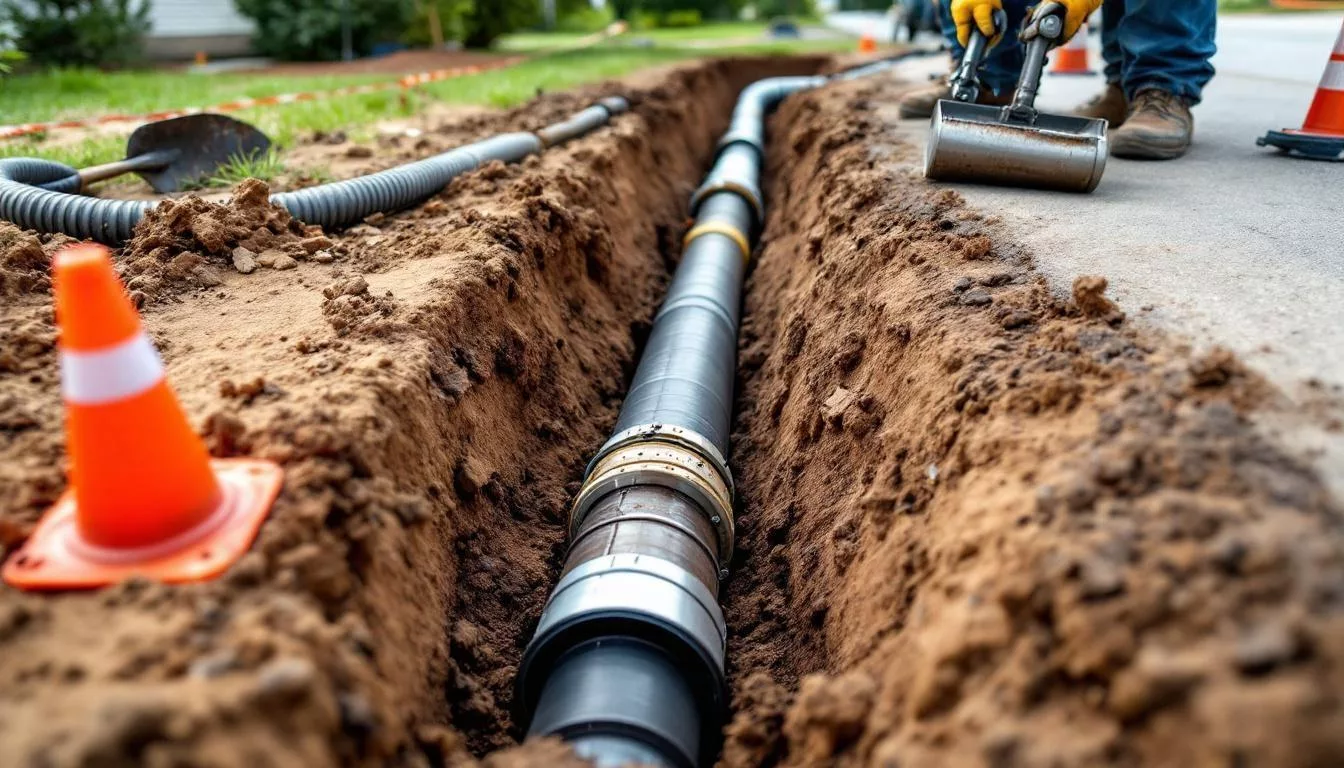
When pipes collapse, shift severely out of alignment, or deteriorate beyond repair, traditional excavation and replacement is the only option. A crew digs a trench from your cleanout to the municipal connection point, removes the damaged pipe section, and installs new PVC or HDPE pipe in its place. For a typical residential line 75 to 100 feet long, excavation and replacement costs $8,000 to $25,000, depending on depth, soil conditions, and whether the crew must remove and restore pavement, curbs, or sidewalks.
The work takes three to seven days, and your yard will show disruption until restoration is complete. Municipal codes in cities like La Grange, Western Springs, and Clarendon Hills require that excavation work conform to city standards and pass inspection before the trench is backfilled, so plan for permit delays and inspector schedules. If your sewer line runs beneath a street or driveway, traditional excavation becomes significantly more expensive because crews must cut and remove hardscape, haul it away, and restore it to code specifications after the pipe is replaced. Tunneling under curbs and sidewalks, when practical, minimizes surface disruption but adds labor cost.
New pipes installed during replacement last 50 to 100 years depending on material and soil conditions, so this is a long-term solution that eliminates repeat problems from the old damaged section. The property owner is responsible for all excavation, pipe replacement, and restoration costs, including any street, curb, or sidewalk work required to access the line, so get multiple quotes and understand the full scope before signing a contract.
Final Thoughts
Your main sewer line repair doesn’t have to feel overwhelming when you know what to watch for and which solutions work best. The warning signs are real, the causes are identifiable, and the solutions are proven-multiple drains backing up, foul odors, and soggy patches all tell you that action matters now. Waiting only gives tree roots more time to expand, corrosion more time to weaken pipe walls, and ground movement more time to offset joints further.
We at Ace Plumbing & Sewer recommend calling a licensed plumber the moment you suspect trouble in Burr Ridge, Hinsdale, Hodgkins, La Grange, Clarendon Hills, or Western Springs. A professional inspection costs far less than emergency repairs or full replacement, and it shows you exactly what’s happening inside your line so you can make the right choice. A sewer camera inspection reveals whether hydro jetting solves the problem, whether trenchless repair works, or whether traditional excavation is necessary.
Stop pouring grease down your drains, avoid flushing non-flushable items, and keep tree roots trimmed away from your sewer line-these simple habits reduce blockages and slow corrosion significantly. Contact us today for a professional inspection and honest assessment of your sewer line condition.
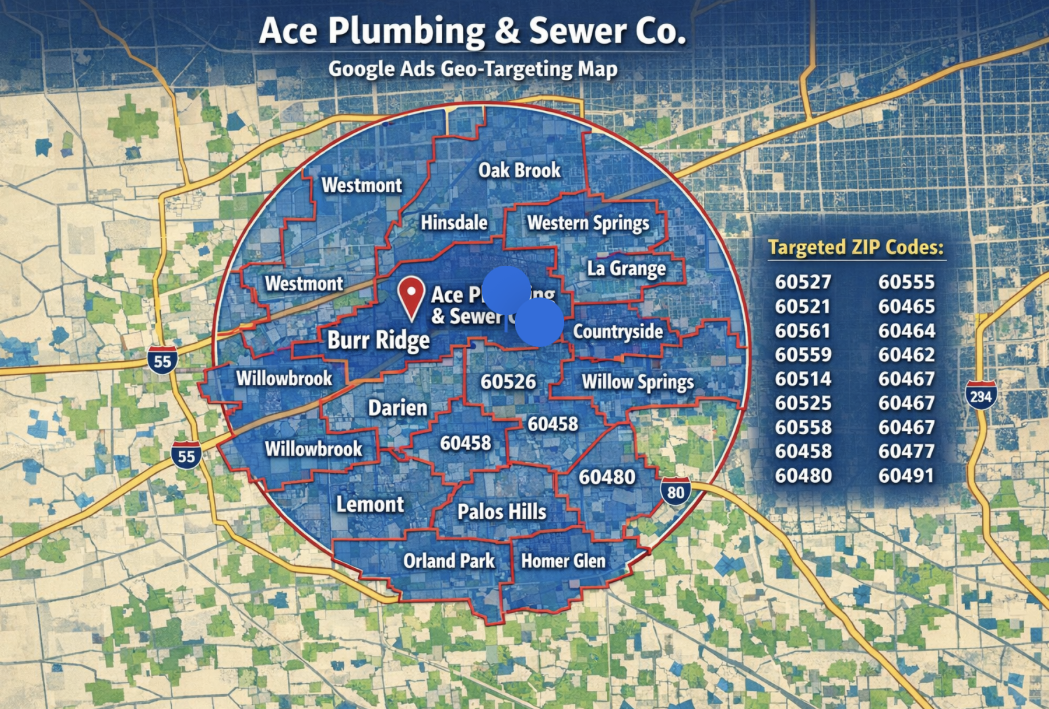
Proudly serving Burr Ridge and Southwest Chicago
Request a free quote
Tell us what’s going on and we’ll get right back to you. Need help now? Call and a real plumber answers 24/7.