How to Install a Radon Cover for Your Sump Pump
Trusted by homeowners across Burr Ridge and Chicago, IL
Your basement’s sump pump is working hard to keep water out, but it might be letting something dangerous in. Radon gas seeps through that open sump pump basin, and it’s a real threat to your family’s health.
We at Ace Plumbing & Sewer know that installing a radon cover for your sump pump is one of the smartest moves you can make. This guide walks you through everything you need to know, from why it matters to how to install one yourself.
Why Radon Through Your Sump Pump Is a Real Health Threat
Radon’s Path Into Your Home
Radon ranks as the second leading cause of lung cancer after smoking, according to the EPA. Your sump pump basin sits at ground level where radon naturally accumulates in soil, and that open basin acts like an open door into your home. The EPA estimates that about 1 in 3 homes in the United States has radon levels above the recommended action level of 4 picocuries per liter.
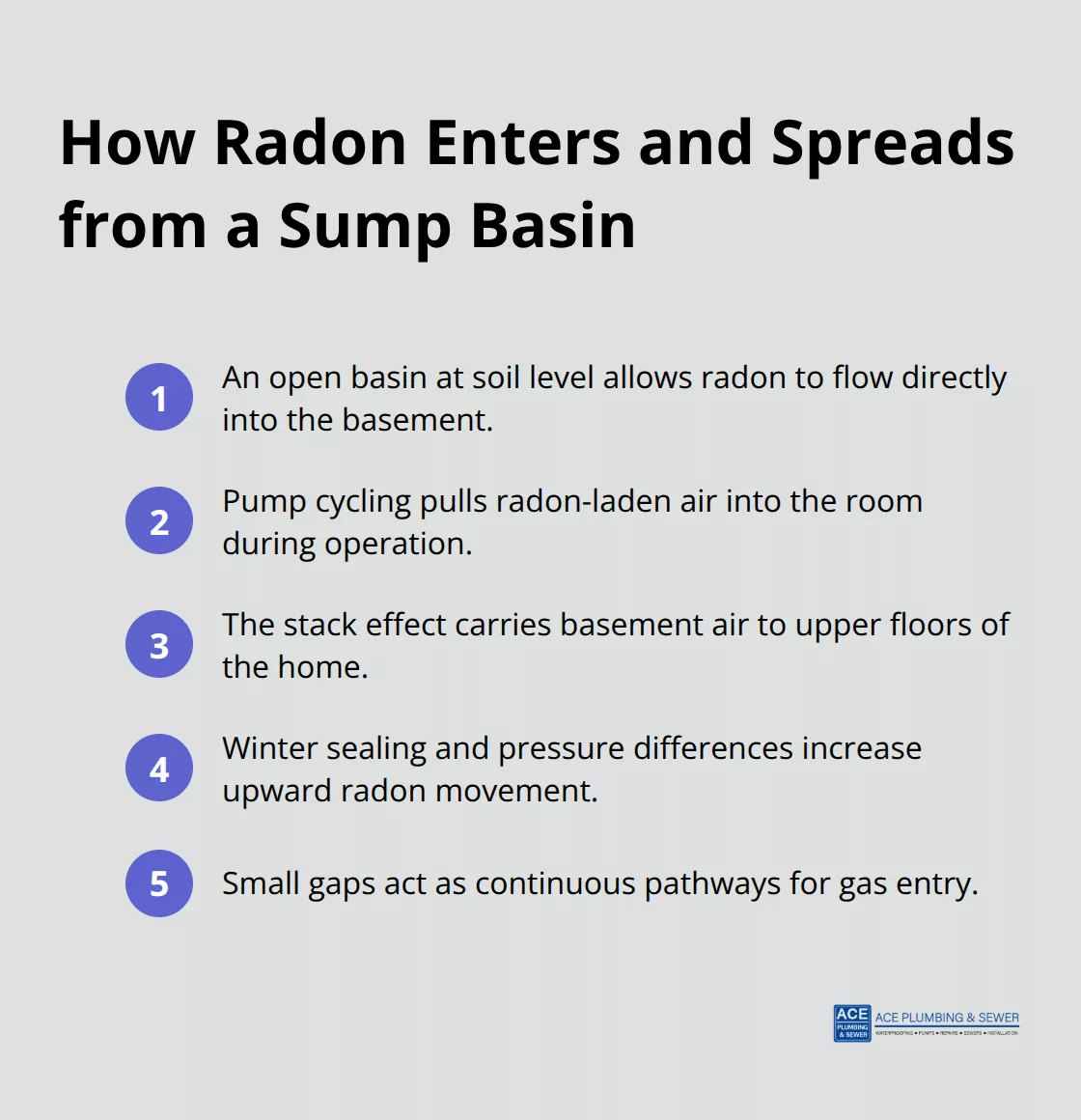
Every time your pump cycles, it pulls radon-laden air into your basement and spreads it throughout your living spaces. Radon doesn’t stay confined to the basement either-it rises through your home’s air, especially in winter when homes are sealed tight and pressure differences pull gases upward.
Local Risk in Your Area
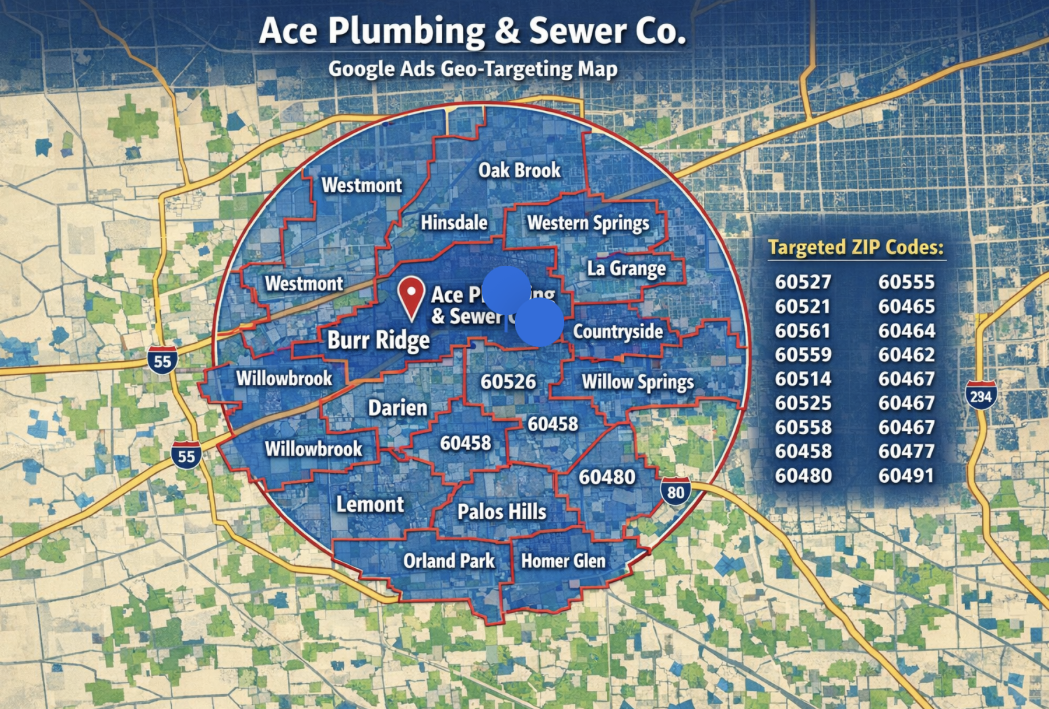
If you live in Burr Ridge, Clarendon Hills, Hinsdale, Willowbrook, Darien, Hodgkins, or Western Springs, your soil composition makes radon exposure a legitimate concern that warrants immediate attention. The western suburbs sit in a region where radon concentrations in soil tend to run higher than national averages. This isn’t a theoretical risk-it’s a measurable threat specific to your area that affects real families in your neighborhood.
How a Radon Cover Transforms Your Sump Pump
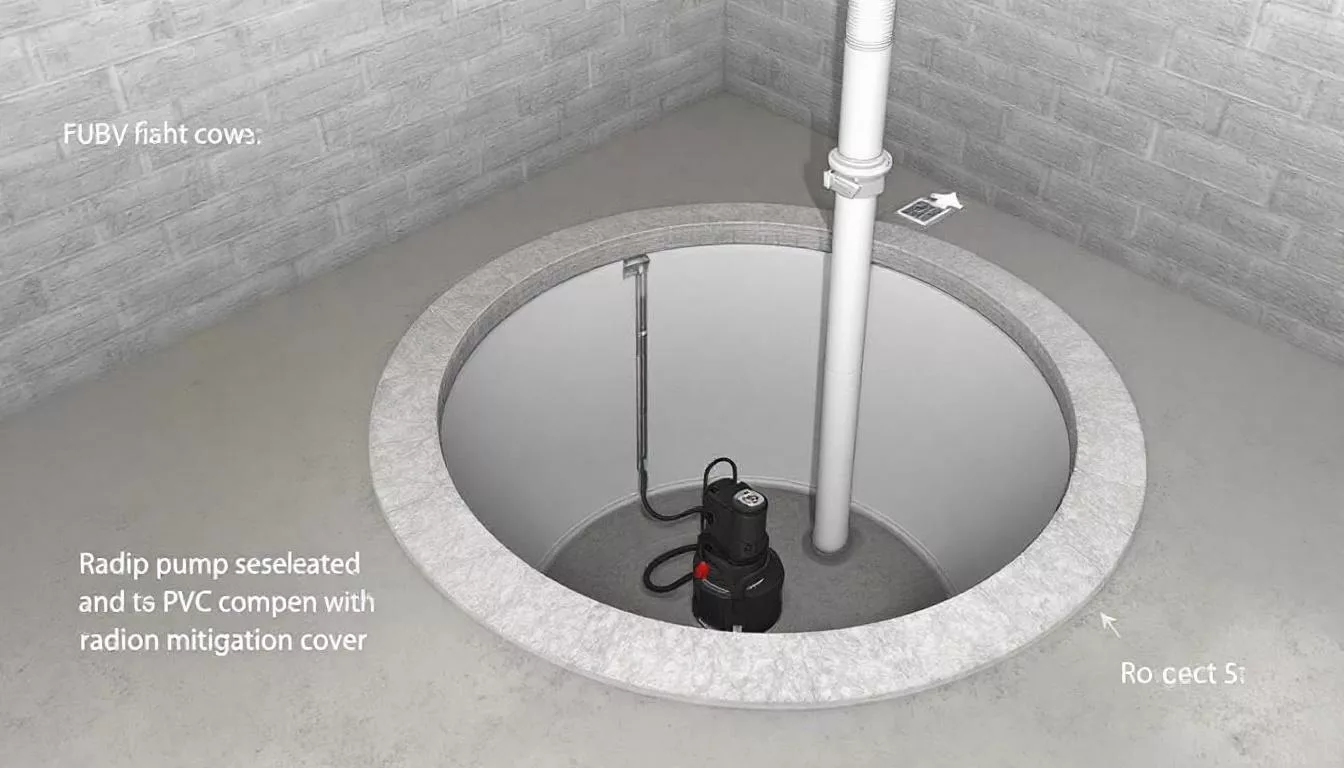
Installing a radon cover transforms your sump pump from a radon highway into a controlled system. A properly sealed cover reduces radon entry while still allowing your pump to function normally, since quality covers include a vent pipe that safely directs radon gas outside your living space rather than into it. The cover also prevents water vapor from escaping into your basement, which means less humidity, less mold growth, and better air quality overall. You’ll notice the practical benefits right away-lower humidity levels, fresher basement air, and the peace of mind that comes from knowing you’ve blocked a genuine health risk. For homeowners in your area, this single upgrade often drops radon levels significantly, sometimes eliminating the need for expensive whole-home radon mitigation systems.
What Comes Next
Understanding the threat is the first step. The real work starts when you grab your tools and measure your sump pump basin for the right cover size.
Getting Your Sump Pump Basin Ready for a Radon Cover
Measure Your Basin Opening
Grab a tape measure and head to your basement because the first real step happens in your sump pump basin. Measure the inside diameter of your basin opening at the widest point-this single measurement determines whether your cover will fit properly or leave dangerous gaps. Most residential sump pump basins range from 18 to 27 inches in diameter, but yours could be different. Write down your exact measurement because manufacturers size covers in specific increments, and a cover that’s even an inch too small defeats the purpose entirely.
Inspect and Clean the Basin
While you’re down there, inspect the basin’s condition: look for cracks in the concrete, rust on metal basins, or damage around the rim where the cover will seal. If you spot cracks or deterioration, those need attention before installation since a damaged basin won’t support a proper seal. Clear out any standing water, sediment, or debris from the basin floor and walls using a wet/dry vacuum-this step prevents dirt and buildup from stopping the cover from sitting flush against the basin rim.
Position the Cover Correctly
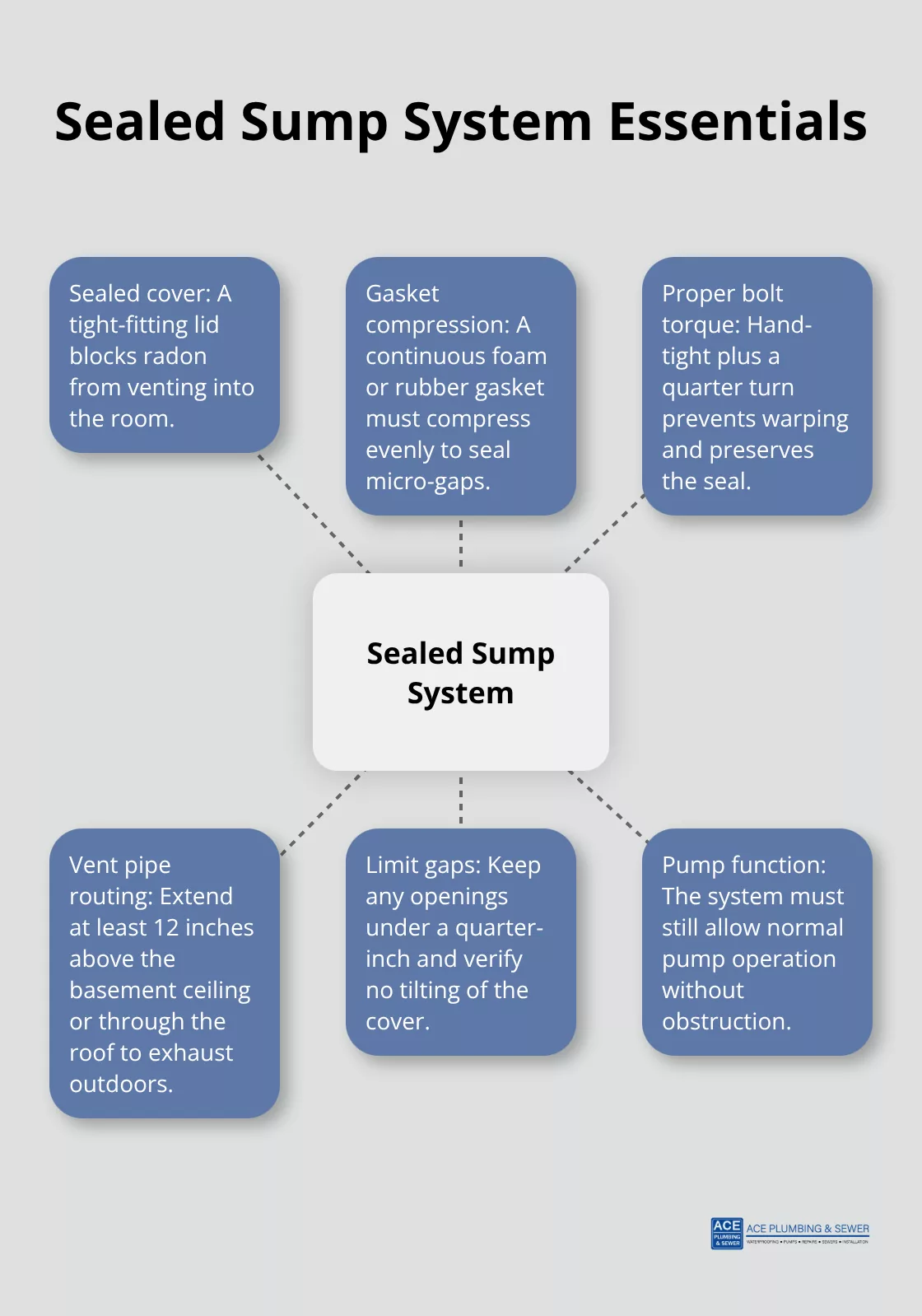
Now comes the actual installation, and this part demands precision over speed. Position your radon cover directly over the basin opening and ensure it sits evenly on all sides with no tilting or gaps larger than a quarter-inch. Most quality covers include a flexible gasket or foam seal that compresses when you tighten the fasteners, so don’t over-torque the bolts thinking tighter is better-hand-tight plus a quarter turn is the right approach.
Install the Vent Pipe
The vent pipe that came with your cover needs to extend upward at least 12 inches above your basement ceiling or, better yet, through your roof, so radon gas exits your home entirely rather than pooling in the basement. This routing (whether vertical or angled) matters because it prevents radon from accumulating in dead spaces where it could seep back down.
Test Your Installation
Once installed, conduct a visual inspection by shining a flashlight around the entire perimeter of the cover from inside the basin-you shouldn’t see any light seeping through. Test the seal by running your sump pump a full cycle and watching for water vapor escaping from gaps; if you see mist or condensation rising from the edges, your seal isn’t tight enough and needs adjustment. For homeowners in Hinsdale, Willowbrook, Darien, Clarendon Hills, Western Springs, or Hodgkins who want certainty that the job’s done correctly, we at Ace plumbing & Sewer handle radon cover installations with the precision these systems demand, ensuring your plumber works safely alongside radon protection. With your cover installed and tested, maintenance becomes your next focus to keep that seal working year after year.
Maintenance and Long-Term Care
Schedule Regular Inspections
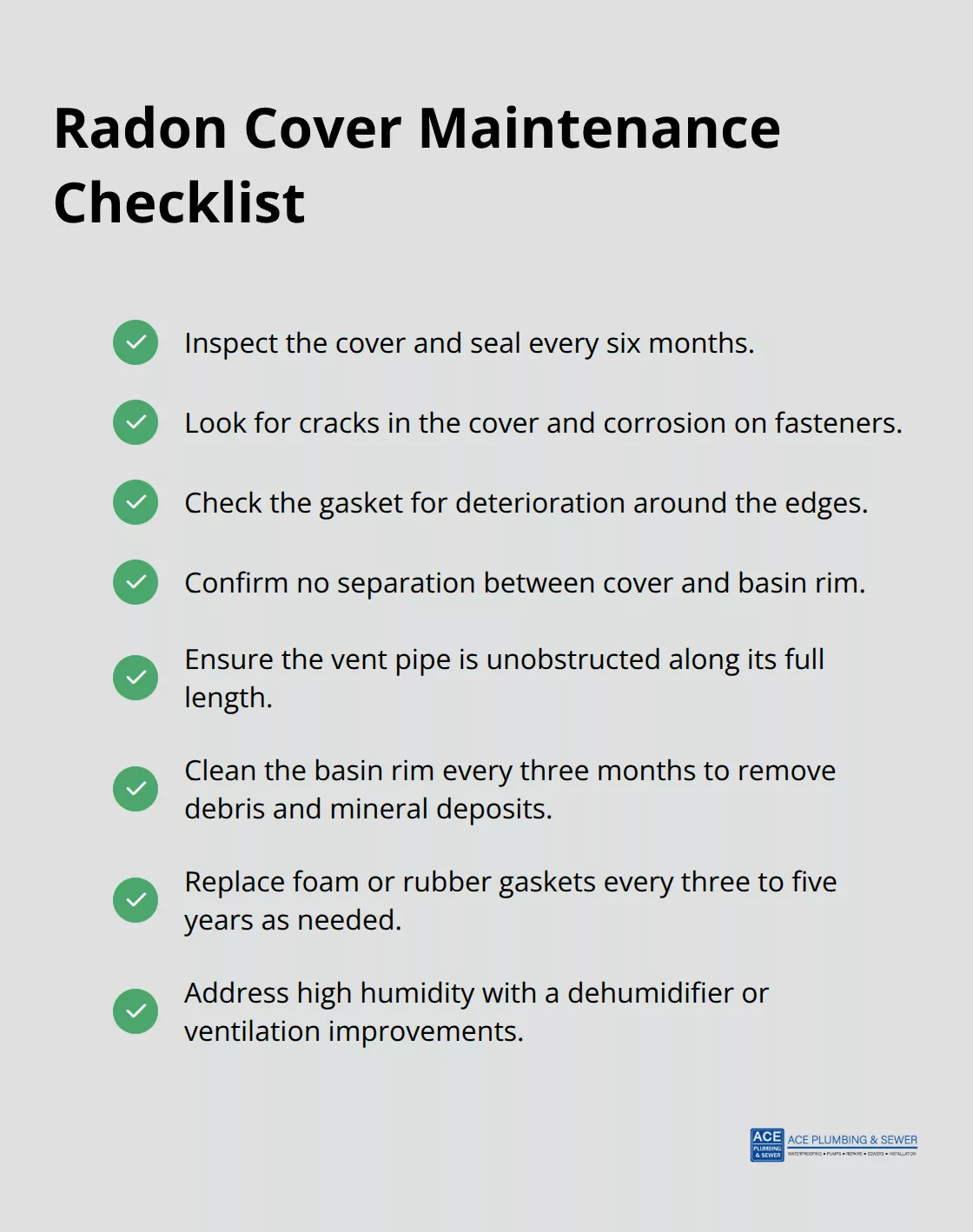
Your radon cover won’t protect your home if it degrades or develops gaps over time. We recommend scheduling a visual inspection every six months, ideally in spring and fall when seasonal pressure changes stress your home’s seal most. During these inspections, look for visible cracks in the cover itself, corrosion on metal fasteners, deterioration of the gasket seal around the edges, and any separation between the cover and basin rim. If your cover uses a foam or rubber gasket, these materials degrade faster in humid basements and typically need replacement every three to five years depending on moisture levels.
Check Your Vent Pipe System
Check that your vent pipe remains unobstructed and hasn’t shifted position, since a bent or blocked pipe forces radon back into your basement rather than outside. Most homeowners miss this detail entirely, but a kinked vent pipe is nearly as dangerous as having no cover at all. Trace the entire length of your vent pipe from the basin cover to its exit point outside your home, looking for any bends, crushing, or debris blocking the opening.
Clean the Basin Rim and Gasket
Sediment and mineral buildup from your sump pump’s normal operation accumulate around the cover’s seal and create tiny passages where radon can escape. Clean the basin rim thoroughly every three months using a damp cloth to remove dust, debris, and white mineral deposits that form when water evaporates. If your area has hard water, mineral buildup accelerates significantly, so inspect more frequently if you notice white crusty deposits forming quickly. The gasket seal itself should stay clean and dry between pump cycles; if you notice moisture constantly present around the seal, your basement’s humidity is too high and needs separate attention through a dehumidifier or improved ventilation.
Replace Your Cover When Needed
When the gasket begins cracking, flaking, or no longer compresses evenly when you press on it, order a radon cover replacement immediately rather than waiting for radon levels to spike. Quality replacement covers for standard 20 to 24 inch basins cost between 80 and 150 dollars and install in under an hour, making this maintenance task far cheaper than remediating high radon levels later. If you live in Burr Ridge, Hinsdale, Willowbrook, Darien, Clarendon Hills, Hodgkins, or Western Springs and want professional confirmation that your cover remains sealed properly, contact us for radon cover inspections and replacements.
Final Thoughts
Installing a radon cover for your sump pump protects your family from a genuine health threat that affects homes throughout Burr Ridge, Hinsdale, Willowbrook, Darien, Clarendon Hills, Hodgkins, and Western Springs. The EPA’s data confirms that radon causes serious lung cancer risk, and your sump pump basin creates a direct pathway for this gas to enter your living spaces. Taking action now with a properly installed and maintained radon cover eliminates this threat before it affects your family’s health.
The steps we’ve covered-measuring your basin, installing the cover securely, routing the vent pipe correctly, and maintaining the seal over time-work well for motivated homeowners who want to handle the job themselves. Precision matters when you’re dealing with radon protection, since a cover installed incorrectly or a vent pipe that isn’t routed properly defeats the entire purpose and leaves your family exposed to the same risk you’re trying to eliminate. A radon cover for sump pump systems only works when every detail receives proper attention.
We at Ace Plumbing & Sewer handle radon cover installations for homeowners across the western suburbs and understand the specific soil conditions in your area. Contact The Ace Plumber today if you’d rather have experts handle this job from start to finish or if you want professional verification that your existing cover functions correctly.
Proudly serving Burr Ridge and Southwest Chicago
Request a free quote
Tell us what’s going on and we’ll get right back to you. Need help now? Call and a real plumber answers 24/7.