How to Fix Lateral Sewer Repair Issues
Trusted by homeowners across Burr Ridge and Chicago, IL
Lateral sewer repair problems can turn your daily routine upside down fast. When your home’s connection to the main sewer system fails, you face expensive damage and health risks.
We at Ace Plumbing & Sewer see these issues daily across Burr Ridge, Hinsdale, and Western Springs. Quick action prevents minor blockages from becoming major disasters that cost thousands to fix.
What Causes Most Lateral Sewer Problems
Tree Roots Target Your Sewer Lines
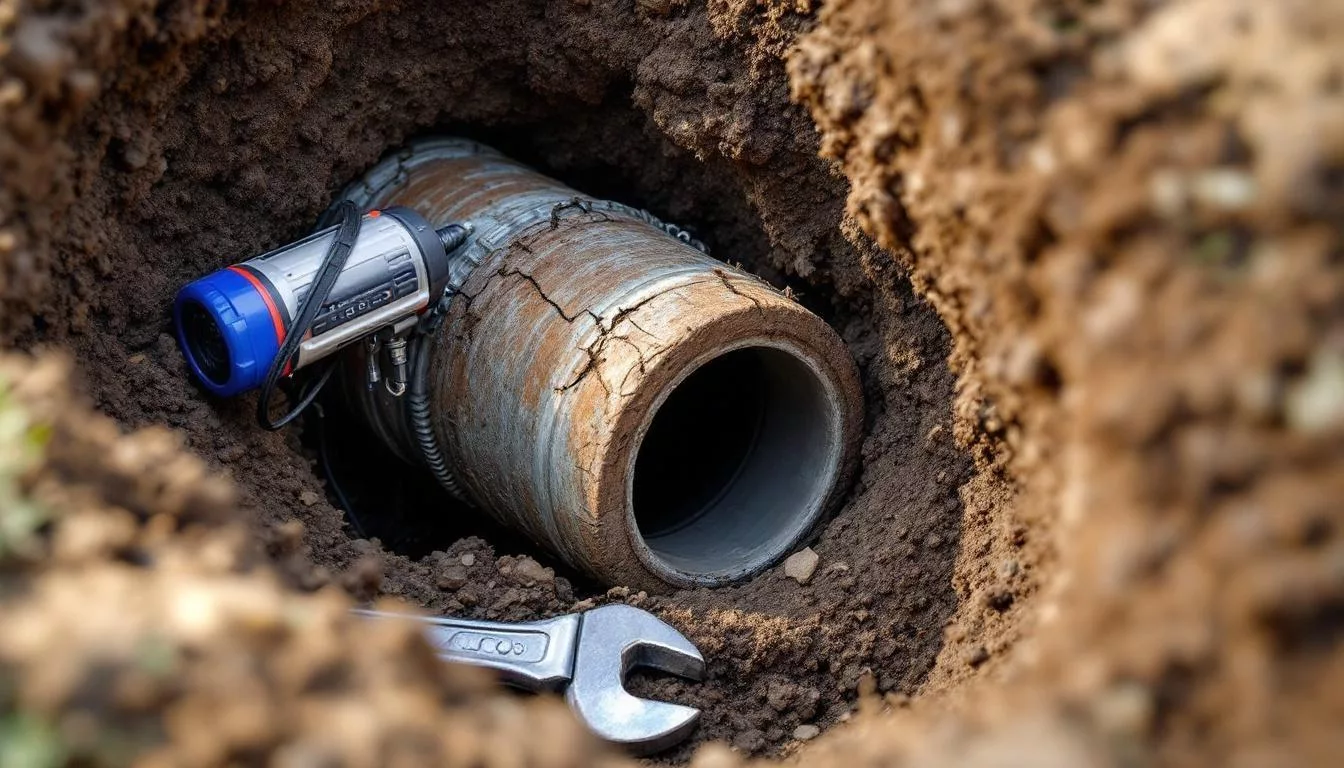
Tree roots are a major cause of lateral sewer line blockages in homes across Darien, Clarendon Hills, and Westmont. These roots grow toward moisture and penetrate sewer pipes through tiny cracks and joints, especially in older clay pipes that contractors installed before 1980.

Oak and willow trees pose the biggest threat because their root systems extend 50 feet from the trunk (sometimes reaching 75 feet in ideal soil conditions). A single mature tree completely destroys a 4-inch lateral line within 5 years once roots establish inside the pipe. Professional plumbers use specialized root-cutting equipment and copper sulfate treatments to remove existing intrusions, but prevention works better than reactive fixes.
Grease and Foreign Objects Create Expensive Blockages
Fat oil and grease deposits are the primary cause in 40-50% of sewer overflows nationwide and create health hazards plus costly repairs. When cooking grease cools inside your lateral line, it hardens and traps food particles, hair, and debris. Homeowners who flush inappropriate items like wet wipes, feminine products, or cat litter compound these problems significantly. Modern plumbing systems in Hinsdale and Indian Head Park require minimum water velocity of 2-4 feet per second to prevent blockages, but grease buildup reduces pipe diameter and slows flow. Professional hydro-jetting removes these accumulations with 4,000 PSI water pressure, but costs average $300-500 per treatment.
Pipe Age and Material Deterioration
Lateral sewer lines last 50-70 years on average, but older materials fail much sooner in Burr Ridge and Willowbrook neighborhoods. Clay pipes (installed 1950-1980) crack from ground movement and temperature changes. Cast iron pipes corrode from the inside out after 40 years of use. Orangeburg pipes made from compressed paper collapse when saturated and rarely last beyond 30 years. These material failures create perfect entry points for roots and allow debris to catch inside damaged sections. Recognizing these warning signs helps homeowners identify repair needs before complete system failure occurs.
Signs Your Lateral Sewer Line Needs Repair
Multiple Drains Back Up Simultaneously
Several slow fixtures throughout your home point to serious lateral sewer problems that demand immediate attention. Water backs up in your lowest-level drains first when blockages sit in your main lateral line that connects to the street. Toilets that flush slowly or need multiple attempts indicate partial obstructions that worsen rapidly without professional intervention. Kitchen sinks that empty slowly after normal use suggest grease accumulation in your lateral line. Basement floor drains that overflow during heavy rains show your lateral line cannot handle normal flow capacity. The EPA estimates there are at least 23,000 sanitary sewer overflows per year in the U.S., which makes these symptoms critical warnings across Burr Ridge, Willowbrook, and Darien neighborhoods.

Sewage Odors and Yard Damage Expose Hidden Failures
Sewage smells near your foundation or in your yard reveal cracked or broken lateral sewer lines that leak wastewater into soil around your property. Wet spots that appear in your yard during dry weather show underground pipe failures that need immediate repair before contamination spreads further. Dead grass patches above your lateral line location expose toxic sewage that kills vegetation and creates health hazards for your family. Standing water that smells like sewage creates perfect conditions for harmful bacteria and violates health codes in Western Springs and Hinsdale (especially during summer months when temperatures exceed 80 degrees).
Strange Sounds and Water Issues Signal System Problems
Toilets that make loud sounds when you flush them or run water elsewhere indicate air displacement from blocked or damaged pipes. Multiple drains that produce unusual noises simultaneously point to serious blockages in your main lateral line. Water that appears in unexpected places like basement corners or crawl spaces suggests hidden pipe breaks that require professional camera inspection. These symptoms need immediate professional assessment to locate exact damage points and prevent expensive excavation across your entire lateral line system. Professional plumber repair methods can address these plumbing issues effectively once technicians identify the root cause.
Professional Repair Methods and Solutions
Professional repair methods vary dramatically based on blockage severity and pipe condition across Burr Ridge, Hinsdale, and Western Springs neighborhoods. Hydro-jetting delivers water pressure ranging from 1,500 to 4,000 PSI that cuts through years of accumulated buildup in minutes rather than hours. This method costs $300-500 per treatment but completely restores flow capacity without damage to pipe walls or joints. Tree roots that penetrate lateral lines require specialized heads that slice through intrusions up to 6 inches in diameter. Professional equipment removes root masses that hand snakes cannot reach, especially in 4-inch residential laterals common throughout Darien and Willowbrook areas.

High-Pressure Water Clears Stubborn Blockages
Hydro-jetting technology delivers controlled water streams at pressures up to 4,000 PSI to remove years of grease accumulation and debris from lateral sewer lines. Professional technicians select specific nozzle types based on blockage composition and pipe material (ceramic nozzles work best for cast iron while stainless steel handles PVC systems effectively). The process takes 30-60 minutes for typical residential laterals and effectively removes organic buildup that causes slow drains. Water recycling systems allow contractors to complete jobs efficiently while conserving resources in drought-prone areas like Western Springs and Indian Head Park.
Trenchless Technology Saves Time and Money
Trenchless pipe lining with CIPP lining can last 50-60 years when properly maintained without excavation that destroys driveways across Westmont and Clarendon Hills properties. Cured-in-Place Pipe lining costs $150-250 per linear foot but creates seamless pipe interiors that resist future root intrusion and corrosion damage. Pipe bursting replaces entire lateral lines by breaking old pipes while simultaneously installing new HDPE pipes that last 100+ years. This method costs 30% less than traditional excavation because contractors avoid restoration expenses for concrete, asphalt, and landscaping (typical savings range from $2,000-5,000 per project).
Traditional Excavation for Complete Failures
Traditional excavation remains the only solution when lateral lines collapse completely or suffer multiple breaks along their length from Clarendon Hills to Western Springs areas. Orangeburg pipes that saturate and collapse require complete replacement because patches fail within months of repair attempts. Cast iron laterals with extensive corrosion damage need excavation when trenchless methods cannot establish proper seals around deteriorated pipe sections. Excavation costs $50-250 per linear foot but provides access for modern PVC systems with 50-year warranties that eliminate future repair concerns.
Final Thoughts
Professional assessment prevents minor lateral sewer repair problems from becoming expensive disasters across Burr Ridge, Hinsdale, and Western Springs. Licensed technicians use camera inspections to identify exact damage locations without destructive excavation that costs thousands more. Properties with pipes older than 30 years need inspections every 10 years to catch problems early.
Homeowners must avoid flushing grease, wet wipes, or feminine products that create blockages. Trees should sit at least 10 feet from your lateral line to prevent root intrusion. Kitchen sinks need drain strainers to catch food particles before they enter your system (this simple step prevents most grease-related clogs).
Contact professional plumbers immediately when multiple drains back up simultaneously or sewage odors appear in your yard. These symptoms indicate serious blockages that worsen rapidly without intervention. We at Ace Plumbing & Sewer provide emergency response and maintenance services for properties throughout Darien, Willowbrook, and Westmont.
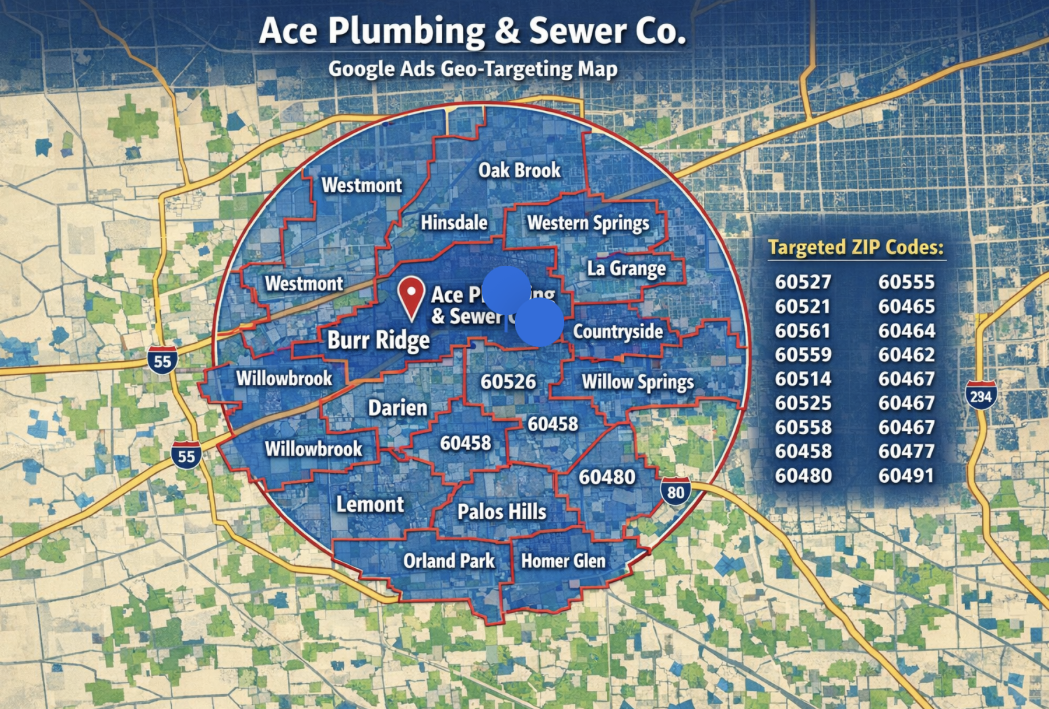
Proudly serving Burr Ridge and Southwest Chicago
Request a free quote
Tell us what’s going on and we’ll get right back to you. Need help now? Call and a real plumber answers 24/7.