How to Detect and Fix Sewer Gas Leaks
Trusted by homeowners across Burr Ridge and Chicago, IL
Sewer gas leaks pose serious health risks and can damage your property. At Ace Plumbing & Sewer, we’ve seen firsthand the consequences of undetected leaks.
Prompt sewer gas leak repair is essential to protect your family and home. This guide will help you identify, locate, and fix these dangerous leaks, ensuring your plumbing system stays safe and functional.
What Is Sewer Gas and Why Should You Care?
The Hidden Dangers of Sewer Gas
Sewer gas is a byproduct of the breakdown of natural human waste. It comprises a mixture of gases, including hydrogen sulfide, ammonia, and more. These gases pose serious health risks, ranging from mild discomfort to life-threatening situations.
The Centers for Disease Control and Prevention warns about hydrogen sulfide, describing it as a colorless gas with a strong odor of rotten eggs. However, they note that the sense of smell becomes rapidly fatigued and cannot be relied upon to warn of the continuous presence of the gas. Symptoms of sewer gas exposure include:

In extreme cases, prolonged exposure can even lead to death. This underscores the importance of addressing sewer gas leaks promptly.
Common Culprits Behind Sewer Gas Leaks
Several factors can contribute to sewer gas leaks in your home:
- Dried-out water traps: These traps lose their ability to block gases when they dry out.
- Cracked pipes: Age or tree root intrusion often causes these cracks.
- Loose toilet seals: A compromised seal allows gases to seep into living spaces.
- Damaged vent stacks: These crucial components can fail over time.
Spotting the Signs of a Sewer Gas Leak
Early detection is key to preventing serious health risks. Here are some telltale signs to watch for:
- Rotten egg smell: The most obvious indicator of a sewer gas leak.
- Slow drains: This can signal a blockage in your plumbing system.
- Gurgling toilets: An unusual sound that may indicate a ventilation issue.
- Small pools of water: Look for these around floor drains, as they can indicate a leak.
Don’t rely solely on your nose to detect these issues. Some components of sewer gas (like methane) are odorless but still dangerous.
The Importance of Professional Inspection
While DIY methods can help identify some issues, a professional plumbing inspection offers several advantages:
- Comprehensive assessment: Plumbers have specialized tools to detect hidden leaks.
- Expertise: They can identify potential problems before they become serious.
- Safety: Handling sewer gas issues without proper equipment can be dangerous.
Regular plumbing inspections can catch these problems early, saving you money and protecting your health in the long run.
Now that you understand the dangers of sewer gas and how to spot potential leaks, let’s explore how to locate the exact source of these hazardous emissions in your home.
Where Is That Sewer Gas Coming From?
The Nose Knows (Sometimes)
Your sense of smell often acts as the first defense against sewer gas leaks. However, it’s not foolproof. The human nose quickly becomes desensitized to the rotten egg odor of hydrogen sulfide, a key component of sewer gas. This means you might stop noticing the smell even if the leak persists.
To combat this, leave your home for a few hours and then return. A fresh nose will more likely pick up on subtle odors. Pay special attention to bathrooms, basements, and areas near drains or pipes.
The Water Test
A simple yet effective method to detect leaks involves nothing more than water. Pour a gallon of water into each drain in your home (including floor drains and rarely used sinks). If the smell dissipates, you’ve likely found your culprit – a dry P-trap. These U-shaped pipe sections normally hold water to block sewer gases, but they can dry out if not used regularly.
High-Tech Solutions
For more precise detection, use a gas leak detector. These devices identify the presence of methane and other gases associated with sewage. While not as accurate as professional-grade equipment, they can help narrow down the search area.
Some homeowners opt for smoke tests, where non-toxic smoke is pumped into the sewer system. Any leaks will allow this smoke to enter your home, making the source visible. However, this method is best left to professionals due to the potential risks involved.
Trouble Spots to Check
Certain areas in your home are more prone to sewer gas leaks than others. Always inspect:

When to Call the Pros
While DIY methods help in many cases, some situations demand professional intervention. If you’ve tried basic detection methods and still can’t locate the source, it’s time to call in the experts. Professional plumbers use advanced equipment (like video camera inspections) to pinpoint even the most elusive leaks.
You should also seek professional help if:
- The smell persists after addressing obvious issues.
- You notice multiple potential leak sources.
- There’s any suspicion of a main sewer line problem.
- You experience symptoms like dizziness or nausea when the odor is present.
Sewer gas isn’t just unpleasant – it’s potentially dangerous. Don’t hesitate to seek professional help if you’re unsure about the source or severity of a leak. Your health and safety are worth the investment in expert detection and repair services. Now that we’ve explored how to locate sewer gas leaks, let’s move on to the next critical step: fixing these hazardous issues.
How to Fix Sewer Gas Leaks
Simple Solutions for Common Issues
Fixing sewer gas leaks starts with the basics. Pour a gallon of water into each drain, especially in seldom-used areas. This refills dry P-traps, which often cause sewer odors. Next, clean drain covers and stoppers. Remove accumulated hair, soap scum, and debris that can cause odors and slow drains. Use a drain brush to clear any buildup in the drain opening.
For toilets, inspect the wax ring seal at the base. A damaged or improperly installed wax ring allows sewer gases to escape. While replacing a wax ring is manageable for some homeowners, professional help ensures a proper seal.
Repairing Damaged Plumbing Components
When simple fixes fail, examine your plumbing components for damage. Cracked pipes (especially in older homes) can let sewer gases into living spaces. The U.S. Environmental Protection Agency provides information on sanitary sewer overflows and their potential health risks.
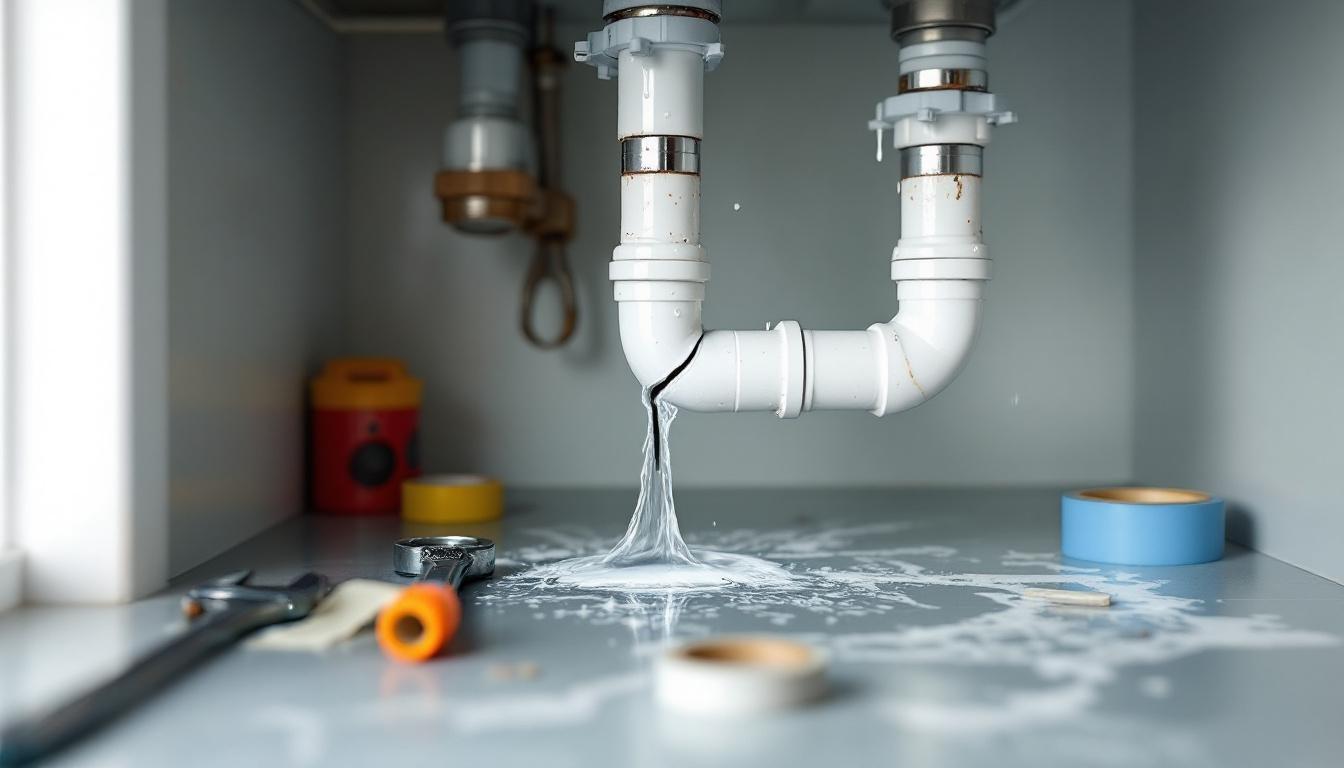
Check visible pipes for signs of damage, focusing on areas under sinks and in basements. Look for water stains, mold growth, or visible cracks. Replace any damaged pipe sections promptly.
Vent stacks on your roof direct sewer gases away from your home. Clear debris from vent stacks or repair damaged ones to resolve persistent sewer gas issues.
Addressing Complex Sewer Line Problems
Some sewer gas leaks stem from serious issues within the main sewer line. Tree root intrusion, pipe collapse, or severe blockages all cause sewer gas problems. These complex issues require professional intervention.
Advanced diagnostic tools (like video camera inspections) pinpoint the exact location and nature of sewer line problems. This technology reveals issues that might otherwise go undetected.
For severe blockages, hydro jetting offers a powerful solution. This method uses high-pressure water to clear tough clogs and buildup, restoring proper flow and eliminating odors.
In cases of pipe collapse or severe damage, trenchless sewer line repair methods often provide a solution without extensive excavation. These innovative techniques rehabilitate your sewer line with minimal disruption to your property.
When to Call a Professional
While DIY methods help in many cases, some situations demand expert intervention. Call a professional plumber if:

Professional plumbers have the tools and expertise to handle complex sewer gas issues safely and effectively.
Final Thoughts
Sewer gas leaks pose serious health risks and require immediate attention. Swift action in detection and repair protects your family and property from potential harm. Regular plumbing maintenance prevents sewer gas issues before they start, saving you from costly emergency repairs.
Trust matters when it comes to sewer gas leak repair and other plumbing concerns. Ace Plumbing & Sewer brings experience and a commitment to excellence to every job. Our licensed professionals use advanced technology to diagnose and resolve sewer gas issues quickly and effectively.
Don’t let sewer gas leaks compromise your health or property. If you suspect a problem or want to ensure your plumbing system functions properly, contact the experts at Ace Plumbing & Sewer. We’ll help you maintain a safe, healthy home free from sewer gas concerns.
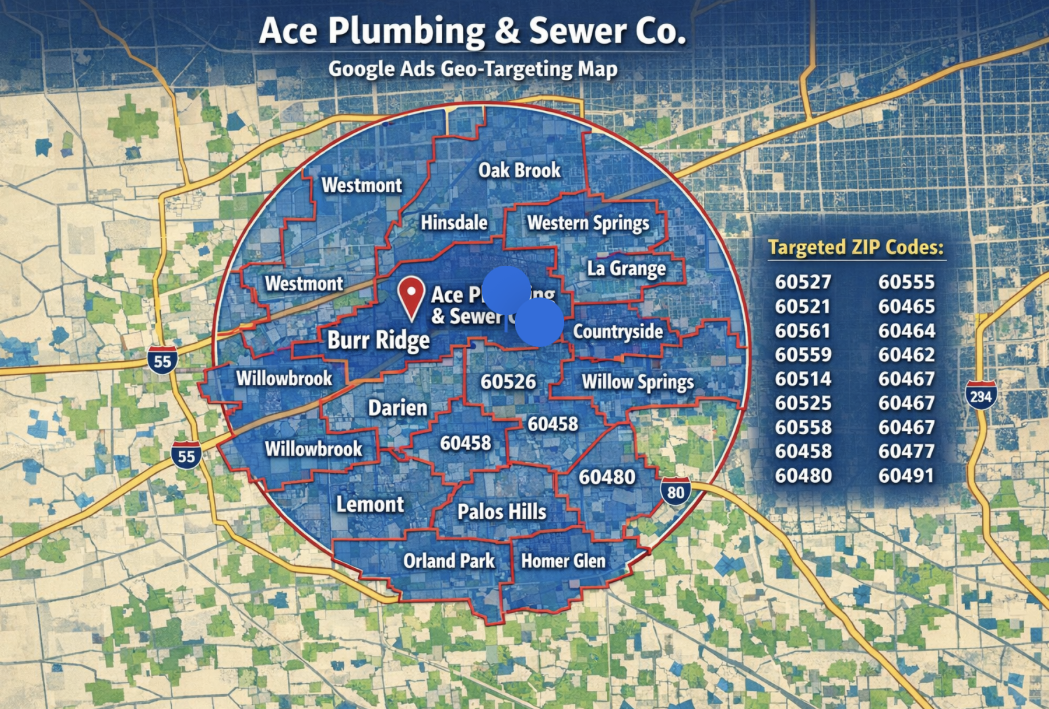
Proudly serving Burr Ridge and Southwest Chicago
Request a free quote
Tell us what’s going on and we’ll get right back to you. Need help now? Call and a real plumber answers 24/7.