How to Choose the Best Sump Hand Pump for Your Home
Trusted by homeowners across Burr Ridge and Chicago, IL
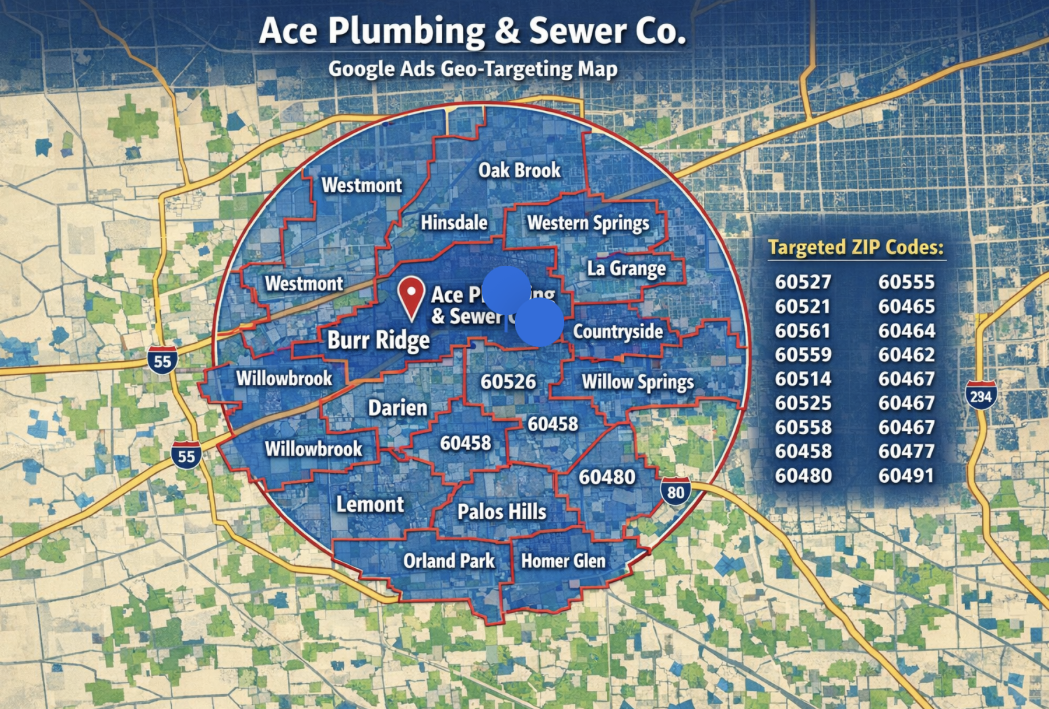
A sump hand pump is one of the most practical investments you can make for basement water management. At Ace Plumbing & Sewer, we’ve helped countless homeowners in Burr Ridge, Hinsdale, and nearby areas find the right pump for their specific needs.
The right choice depends on understanding your basement’s water volume, your budget, and whether you want manual backup power during outages. This guide walks you through everything you need to know.
What Type of Sump Pump Works Best for Your Basement
Submersible pumps sit inside your sump pit and push water up and out through a discharge line, making them the most common choice for residential basements. The Zoeller M53, a leading submersible model, delivers 2,680 gallons per hour at a 1/3 horsepower rating and handles solids up to 1/2 inch-important when your pit collects debris and sediment. Pedestal pumps mount above the pit with an intake tube reaching down into the water, but they produce more noise and occupy floor space, so we rarely recommend them for home use. Flow rate directly affects how quickly your pump clears standing water; a basement with 500 square feet needs roughly 1,500 to 2,000 gallons per hour capacity, while larger basements demand 3,000 gallons per hour or more. Horsepower ratings typically range from 1/3 HP to 1 HP for residential applications, with higher horsepower moving water against greater discharge heights. If your discharge line must push water 20 feet or more away from your foundation, you need a pump rated for that head pressure-the M53 reaches 19.25 feet, which covers most suburban homes in Elmhurst, Oak Lawn, and Hinsdale where basement drainage distances vary.

Manual Hand Pumps for Power Outages
When the power fails, an electric pump becomes useless, which is why we strongly recommend keeping a manual hand pump as backup. A quality hand pump costs under $100 and requires zero electricity-you simply attach it to your sump pit and pump water out by hand during an outage. Look for models with durable brass or stainless steel components, an ergonomic handle, and an intake screen that prevents debris from clogging the discharge. The practical advantage is clear: during the 2020 Midwest storms that knocked out power to parts of La Grange and Clarendon Hills, homeowners with manual pumps prevented thousands in basement damage while neighbors waited for power restoration. Test any hand pump under controlled conditions before a real flood so you understand the physical effort required and verify hose compatibility with your existing discharge setup. A check valve on your discharge line prevents backflow and keeps the pit from refilling after you pump it dry.
Battery Backup Systems for Continuous Protection
Battery-powered backup pumps activate automatically when AC power fails. The Pro-Series PHCC-2400 backup pump runs on both AC and DC power with a 13-amp battery charger that quickly charges standard batteries and includes weekly self-test monitoring to confirm readiness. One large deep-cycle battery (Group 27 or Group 31) provides roughly 7 hours of continuous operation; two batteries extend that to 24–36 hours. For homeowners in flood-prone areas near Western Springs or Westmont where extended power outages occur, a combination unit like the Pro Series PS-C33 pairs a 3,000 gallons per hour primary pump with a backup pump in one package, eliminating the need to install two separate systems. These combination units cost more upfront but simplify wiring, reduce installation complexity, and give you genuine redundancy-if the primary pump fails, the backup activates without any manual intervention.
Choosing Between Manual and Automatic Operation
Manual hand pumps offer simplicity and zero maintenance when you’re not using them, but they demand physical effort during a flood. Automatic systems with float switches detect rising water and start pumping without your involvement, which matters if you’re away from home or unable to respond quickly. Battery-backed automatic pumps provide the best protection (you don’t have to be present), while manual pumps serve as a reliable last resort when all power sources fail. Most homeowners benefit from pairing an automatic primary pump with either a manual hand pump or battery backup for true peace of mind.

Your choice depends on your basement’s flood history, your physical ability to pump manually, and your budget for redundant systems.
What Happens Next with Installation
Once you’ve selected the right pump type and capacity for your basement, installation becomes the next critical step. Whether you tackle this yourself or hire a plumber or professional affects both the warranty coverage and long-term reliability of your system.
Key Features That Determine Pump Performance and Longevity
Matching Capacity to Your Basement’s Water Volume
Capacity determines whether your pump drains a basement flood in hours or days. Match your pump’s flow rate to your basement size and typical water volume-a 500-square-foot basement needs roughly 1,500 to 2,000 gallons per hour, while larger basements demand 3,000 gallons per hour or more. The Zoeller M53 delivers 2,680 gallons per hour and handles solids up to 1/2 inch, which matters because real sump pits collect sediment, debris, and grit that smaller-capacity pumps struggle to pass. Test your pump’s actual performance before committing: if your discharge line must push water 20 feet uphill, a pump rated for only 10 feet of head pressure will slow dramatically and may not clear standing water fast enough during heavy rain.
Understanding Head Pressure and Discharge Distance
Head pressure determines how far your pump can push water away from your foundation. A pump with insufficient head pressure fails to move water the full distance you need, leaving your basement vulnerable during storms. The Zoeller M53 reaches 19.25 feet of head pressure, which covers most suburban homes in Elmhurst, Oak Lawn, and Hinsdale where basement drainage distances vary. Measure from the center of your sump pit horizontally, to where the pipe discharges outside of your home-this single step prevents purchasing a unit that underperforms when you need it most.
Noise Levels and Vibration Control
Noise levels vary significantly across models-submersible pumps running inside a pit are quieter than pedestal models, but even submersible units can vibrate and create humming sounds that disturb basements used for recreation or storage. If noise matters to you, prioritize models with rubber isolation feet or sound-dampening enclosures rather than assuming all submersible pumps are silent. Vibration control protects your foundation and reduces the annoying background hum that runs continuously during wet seasons.
Material Quality and Construction Standards
Material quality directly affects how long your pump lasts and how much maintenance it requires. Cast iron housings and stainless steel components resist corrosion and handle the thermal stress of continuous operation better than plastic components, which crack under temperature swings common in basements. The Liberty PRG101A grinder pump uses an epoxy-coated cast iron frame and silicon carbon seal-construction choices that extend service life and reduce seal failures that plague cheaper models. A motor with thermal protection automatically shuts down if the pump overheats, preventing burnout during extended operation when water levels stay high.
Warranty Coverage and Parts Availability
Check the warranty as a reliability indicator: most quality pumps carry 3-year coverage, signaling the manufacturer’s confidence in durability. Before purchasing, verify that replacement parts (gaskets, seals, impellers) are readily available and affordable-some obscure brands charge premium prices for service parts, turning a $150 pump into a $400 problem when seals fail. For homeowners in Hinsdale, Oak Lawn, and Clarendon Hills where spring flooding is common, investing in a pump with durable construction and easy-to-source parts prevents emergency calls during the exact moment you need your system working. Proper installation of your pump and drainage system connection also affects long-term system reliability and warranty coverage.
Installation and Maintenance That Determines Long-Term Success
Proper Installation Protects Your Investment
Correct installation matters far more than the pump model itself-poor installation ruins even premium equipment. Mistakes like proper pit sizing, correct discharge line slope, and check valve placement turn a reliable pump into a liability. If you install the pump yourself, verify that your sump pit is at least 2 feet deep and 18 inches wide with the pump level, the pit bottom allows water to flow freely without sediment blocking the intake, and your discharge line slopes downward away from the foundation at roughly 1/4 inch per 10 feet. This prevents water from flowing backward into the pit.
The check valve must sit on the discharge line outside the pit to prevent backflow. Omit this single component and your pump cycles constantly as water drains back, shortening motor life dramatically. Test your system under controlled conditions before a flood by running the pump for 15 minutes and watching the discharge. If water trickles weakly or stops entirely, your discharge line slopes wrong or contains a hidden restriction.
Professional installation typically costs $500 to $1,000 depending on pit depth and discharge complexity, but this investment protects your warranty and prevents costly repairs when water damage occurs during installation errors.
Quarterly Inspections Catch Problems Early
Maintenance determines whether your pump lasts 5 years or 15 years, yet most homeowners ignore it entirely until failure strikes. Quarterly inspections catch problems early by including test runs with water, annual pit cleaning, seasonal discharge checks before freezing weather, and battery replacement. Sediment accumulation above the pump intake prevents proper operation and reduces efficiency.
Run the pump manually for 30 seconds monthly to confirm it starts and discharges water. This simple test catches failures before heavy rain arrives. Clean the intake screen every spring if your area experiences sandy or silty groundwater, and replace the check valve every 5 to 7 years because rubber seals degrade and allow backflow.

Recognizing Failure Signs Before Disaster Strikes
If your pump produces unusual grinding sounds, discharges less water than before, or fails to activate when water rises, stop using it and call a professional. Continuing operation damages the motor and impeller beyond repair. Signs of impending failure include water leaking from the motor seal, the pump running continuously without lowering water levels, or a burning smell during operation.
Homeowners in Hinsdale, Clarendon Hills, and Western Springs where spring flooding peaks during April and May should schedule maintenance in March to confirm readiness before storm season arrives. A professional can service your pump annually for roughly $150 to $300, which prevents emergency calls costing $1,500 or more when your pump fails at midnight during a downpour.
When to Call a Professional
A plumber handles complex repairs, warranty claims, and system upgrades that exceed DIY capability. Professionals diagnose motor failures, impeller damage, and seal degradation that homeowners cannot assess safely. They also manage discharge line modifications, pit expansion, and backup system integration-tasks requiring permits and code compliance in communities like Elmhurst, Oak Lawn, and Westmont.
Final Thoughts
Selecting the right sump hand pump comes down to matching capacity to your basement’s water volume, prioritizing durable materials like cast iron and stainless steel, and understanding whether you need manual backup, automatic operation, or both. A pump rated for 2,680 gallons per hour with 19.25 feet of head pressure handles most suburban homes in Burr Ridge, Hinsdale, and Clarendon Hills, but your specific discharge distance and flood history should guide your final choice. Battery-backed systems provide continuous protection during power outages, while manual hand pumps serve as reliable last-resort backup when all electricity fails.
Proper installation and quarterly maintenance determine whether your pump lasts five years or fifteen. A check valve on your discharge line, correct pit sizing, and downward-sloping discharge prevent water from flowing backward and reduce unnecessary pump cycling. Test your system monthly by running it manually for thirty seconds, clean intake screens annually, and schedule professional service before spring flooding season arrives (March works well for communities like Elmhurst, Oak Lawn, and Western Springs where April and May bring peak storm activity).
We at Ace Plumbing & Sewer help homeowners throughout Burr Ridge, Hinsdale, and nearby areas protect their basements with professionally installed sump pump systems. Our licensed, bonded team handles everything from selecting the right pump capacity for your basement to managing complex discharge modifications and backup system integration. Contact Ace Plumbing & Sewer today to schedule your sump hand pump installation or maintenance appointment.

Proudly serving Burr Ridge and Southwest Chicago
Request a free quote
Tell us what’s going on and we’ll get right back to you. Need help now? Call and a real plumber answers 24/7.