
How to Choose the Best Plumbing Tankless Water Heaters
Trusted by homeowners across Burr Ridge and Chicago, IL
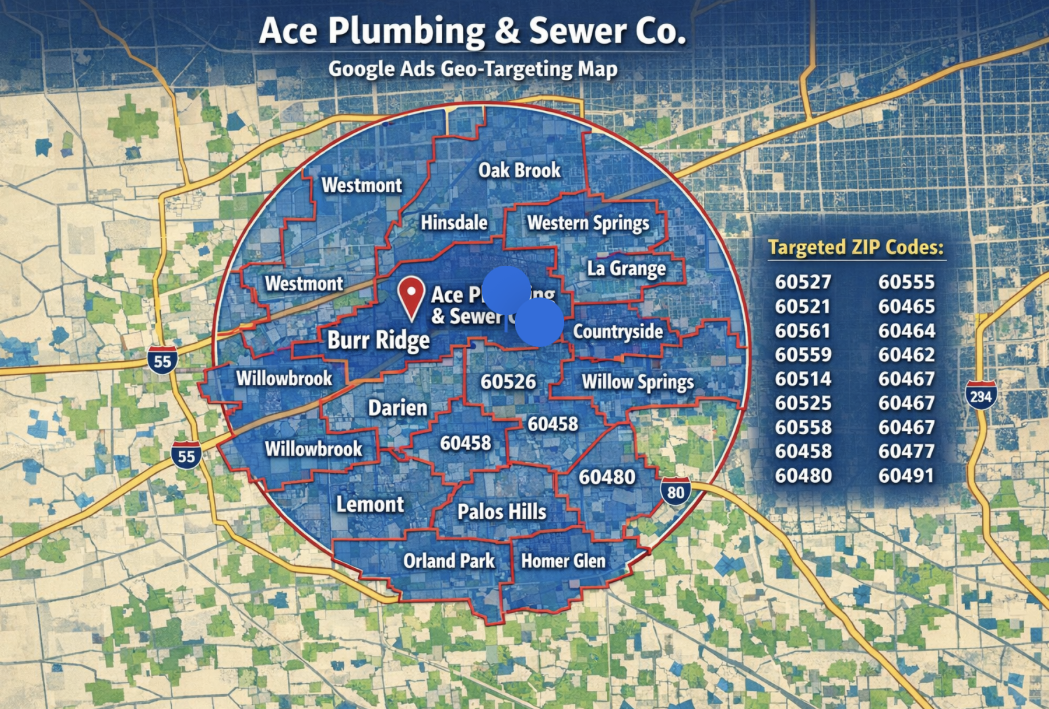
Choosing the right plumbing tankless water heater can save you thousands in energy costs over time. At Ace Plumbing & Sewer, we’ve helped homeowners and businesses across Burr Ridge, Hinsdale, and Western Springs make smart decisions about their water heating systems.
This guide walks you through everything you need to know before making your purchase.
How Tankless Water Heaters Actually Work
The On-Demand Heating Principle
Tankless water heaters operate on a completely different principle than the storage tanks sitting in basements across Hinsdale and Clarendon Hills. Instead of keeping 40–50 gallons of water hot at all times, a tankless unit heats water on demand as it flows through the system. When you turn on a hot-water tap, cold water enters the unit and passes over a heat exchanger, where a gas burner or electric element raises the temperature instantly. This means you heat only the water you actually use, which is why these systems reduce energy consumption compared to traditional tanks.
Real Savings and Longevity
That efficiency translates to real savings on your monthly utility bills, especially if your household uses hot water throughout the day. The lifespan advantage is equally impressive: a properly maintained tankless unit can last between 15 to 20 years, outlasting conventional heaters significantly. Over two decades, this durability advantage compounds when you factor in replacement costs and installation labor.
Flow Rate and Temperature Rise: The Critical Metrics
The practical challenge with tankless systems centers on flow rate and temperature rise, two metrics that matter far more than tank size. Flow rate is measured in gallons per minute (GPM), and temperature rise is the difference between your incoming water temperature and desired output. In winter, when water entering your Burr Ridge home might be 55°F and you want 120°F output, you need a 65°F temperature rise.
Calculating Your Household Demand
If you run a dishwasher (2–3 GPM) and shower simultaneously (2–3 GPM), you demand 4–6 GPM total, and your unit must handle that demand without dropping temperature. Undersizing is the most common mistake: a 5 GPM unit works fine for single fixtures but fails during simultaneous use. Most homes need at least 5–7 GPM for comfortable performance, though larger households in Western Springs or multi-bathroom properties may need 8–10 GPM or cascaded units.

Getting the Right Size for Your Home
A professional can calculate your exact requirements by measuring fixture flow rates and accounting for your region’s cold-water temperature, ensuring your unit delivers hot water reliably when you need it most. This assessment becomes especially important as you move forward with evaluating the specific fuel type and installation requirements that will work best for your property.
Choosing Between Gas and Electric Tankless Systems
Gas vs. Electric: Cost and Performance Tradeoffs
Gas and electric tankless systems represent fundamentally different approaches to water heating, each with distinct cost and performance tradeoffs that directly impact your home in Hinsdale, Clarendon Hills, or Bridgeview. Gas tankless units typically cost between $2,400 and higher when installed and require professional venting to safely expel combustion gases-a significant installation consideration if your current water heater location lacks proper venting infrastructure. Electric tankless systems cost considerably less upfront and eliminate venting requirements entirely, making them simpler to install in tight spaces or condos where gas venting poses structural challenges. However, electric units max out around 8 gallons per minute of hot water flow, which creates real limitations in homes with multiple bathrooms or high simultaneous demand.

Understanding Flow Rate Limitations
If your household occasionally runs two showers at once, an 8 GPM electric unit will disappoint you; a gas system with 10+ GPM capacity handles that scenario without temperature drops. The financial calculation shifts when you factor in long-term energy costs: gas systems cost more upfront but deliver superior performance and lower operating expenses over 15–20 years, especially in regions with moderate natural gas pricing. Your climate matters too-colder incoming water temperatures in winter require higher BTU input from gas units or force you to accept reduced flow from electric models. A licensed technician can measure your actual winter water temperature and calculate whether electric meets your needs or if gas represents the smarter investment.
Sizing Your Unit Correctly
Sizing your unit correctly prevents costly regrets regardless of fuel type, and this step separates confident buyers from frustrated ones. Use Navien’s NaviSizer tool or work with a licensed technician to input your household’s simultaneous hot-water demand-add GPM from your dishwasher, showers, and washing machine running together to determine your peak need. A townhouse with two adults and occasional guests typically needs 7–9 GPM minimum to avoid running cold during two simultaneous showers; undersizing creates the frustration that drives most tankless complaints.
Installation Space and Electrical Requirements
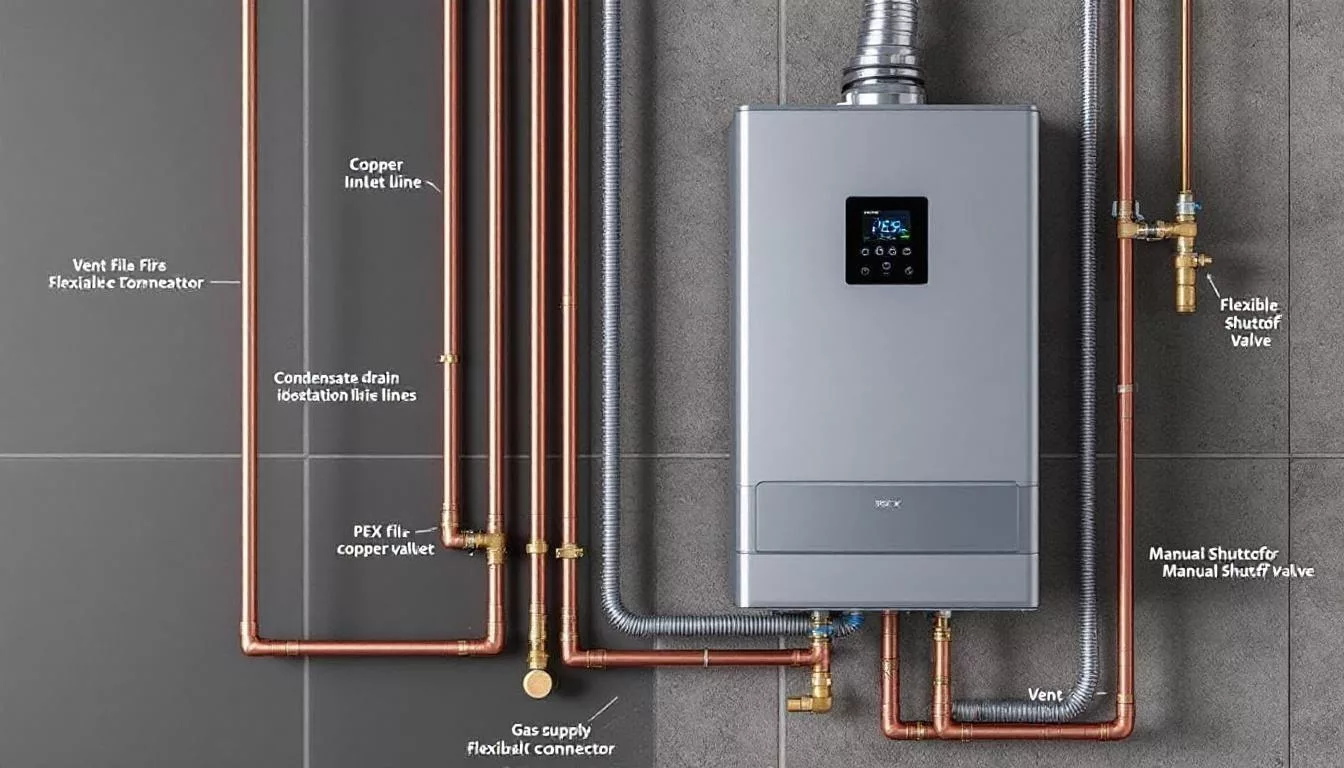
Installation space and electrical requirements differ significantly: gas models mount on exterior walls or in utility closets provided venting reaches outside safely, while electric units require dedicated 240-volt circuits and sometimes additional wiring runs behind walls. Your electrician and plumbing contractor can run three wires behind your home’s bulkhead to support proper electrical service. Brand reliability and warranty coverage matter more with tankless systems than traditional tanks because installation complexity and descaling maintenance requirements mean a cheap unit becomes expensive to operate.
Warranty and Maintenance Obligations
Navien, Rinnai, and Takagi models dominate the market and offer 10–15 year heat exchanger warranties-read the fine print carefully because many warranties require regular descaling to remain valid. A unit in Western Springs or Darien exposed to harder water absolutely needs regular descaling to prevent mineral buildup that reduces flow and efficiency; skipping this maintenance voids warranties and shortens lifespan dramatically. Your fuel type choice and sizing decision lock in your long-term costs and comfort level, so invest time in the assessment before installation begins. Once you’ve selected your fuel type and confirmed your sizing requirements, understanding the specific installation constraints and local code requirements becomes your next critical step.
Common Mistakes That Cost You Most When Choosing Tankless Water Heaters
Undersizing Destroys Performance and Comfort
Undersizing your tankless unit remains the single most expensive mistake homeowners make, and it happens because people confuse tank capacity with flow rate during the purchase decision. You cannot replace a 50-gallon tank with a 50 GPM unit-the metrics do not translate that way. A 5 GPM electric tankless sounds reasonable until your family runs two showers simultaneously and the temperature plummets because the unit cannot deliver enough hot water at your desired temperature. This frustration occurs constantly across Burr Ridge, Hinsdale, and Darien, and it stems directly from skipping the proper sizing calculation. Your actual peak demand-dishwasher plus shower plus washing machine running together-determines the minimum GPM you need, not guesswork or online calculators that ignore your region’s incoming water temperature.
Winter water temperatures in Western Springs and Clarendon Hills hover around 55°F, meaning a unit sized for 70°F incoming water will fail when January arrives. Professional assessment costs $100–150 and saves you thousands in regret; a licensed technician measures your fixtures and calculates your exact requirement before you commit to any purchase.
Mineral Buildup Voids Your Warranty and Shortens Lifespan
Mineral deposits accumulate inside the heat exchanger within 12–24 months if you neglect descaling, particularly in areas with hard water-which includes most of the western Chicago suburbs. Mineral buildup reduces flow rate and efficiency, and manufacturers explicitly require annual descaling as a condition of coverage. Navien, Rinnai, and Takagi all state this clearly in their warranty documentation, yet homeowners discover the requirement only after mineral scaling reduces their 8 GPM unit to 5 GPM. Descaling costs $200–400 annually with a professional or $100–150 if you tackle it yourself with proper chemicals and procedure, but skipping it costs you 10+ years of lifespan for a unit that should last 15–20 years.
Permits and Code Compliance Protect Your Investment
Converting from a tank to tankless demands code compliance inspections in every Illinois municipality, and Burr Ridge, Hinsdale, Bridgeview, and Hodgkins each enforce their own specific venting and electrical standards. Gas units require certified venting installation-improper venting creates carbon monoxide hazards that kill, and permit inspectors catch these violations before they harm your family. Electric units need 240-volt dedicated circuits with proper breaker sizing, a job that demands licensed electrician work, not DIY effort. Obtaining permits and code compliance protections costs $50–150 per municipality but protects you legally and ensures your plumbing system passes resale inspections.
Skipping permits leaves you liable if flooding or gas leaks occur, and future buyers discover unpermitted work during inspection and demand price reductions or walk away entirely. Budget $3,000–6,000 for gas tankless installation (including venting, permits, and labor); electric systems run $2,000–3,500 installed. These numbers reflect reality in 2026, not promotional pricing, and they account for proper code compliance that protects your home and family for decades.

Final Thoughts
Selecting the right plumbing tankless water heater requires balancing three factors: accurate sizing based on your peak hot-water demand, fuel type that matches your home’s infrastructure and budget, and professional installation that meets local codes. Undersizing remains the costliest mistake, but so does neglecting descaling maintenance or skipping permit compliance in Burr Ridge, Hinsdale, Clarendon Hills, or Bridgeview. Your decision today determines whether you enjoy endless hot water for two simultaneous showers or face cold surprises during winter months when incoming water temperatures drop to 55°F.
Gas systems deliver superior flow rates and lower operating costs over 15–20 years, though they demand proper venting and higher upfront investment. Electric units cost less initially and eliminate venting complexity, but their 8 GPM ceiling limits performance in larger households. Neither choice works without correct sizing, and neither delivers its promised lifespan without annual descaling to prevent mineral buildup that voids warranties and reduces efficiency.
Professional assessment costs $100–150 and prevents thousands in regret-a licensed technician measures your fixtures, calculates your exact GPM requirement accounting for your region’s winter water temperature, and identifies code compliance needs specific to your municipality. Contact a plumber today for a site visit and transparent quote. Call (708) 204-8602 or visit theaceplumber.com to schedule your assessment.
Proudly serving Burr Ridge and Southwest Chicago
Request a free quote
Tell us what’s going on and we’ll get right back to you. Need help now? Call and a real plumber answers 24/7.