7 Essential Steps to Prevent Basement Flooding in Chicago
Trusted by homeowners across Burr Ridge and Chicago, IL
Last spring, over 2,000 Chicago-area homeowners discovered their basements underwater after just one severe storm—but the families we’ve served for three generations stayed completely dry. Here’s exactly how we protect homes like yours from costly basement flooding disasters. Effective basement flooding prevention isn’t just about hoping for the best; it requires a strategic, multi-layered approach that addresses the unique challenges Chicago’s clay soil, aging infrastructure, and severe weather patterns create for homeowners.
At Ace Plumbers, we’ve been protecting Chicago-area basements since 1983, and we’ve learned that successful prevent basement flooding strategies combine professional-grade equipment, proper maintenance, and emergency preparedness. The difference between a dry basement and thousands of dollars in water damage often comes down to implementing these seven essential steps before disaster strikes.

Warning Signs Your Basement Is at Risk for Flooding
Your basement often gives you warning signs long before catastrophic flooding occurs. Recognizing these early indicators can save you from extensive water damage and costly repairs. As licensed professionals who’ve served Chicago’s western suburbs for over four decades, we’ve seen how these seemingly minor issues escalate into major flooding disasters.
Visual Indicators of Potential Water Problems
White, chalky residue on your basement walls—called efflorescence—signals that water is already penetrating your foundation. This mineral deposit appears when water evaporates, leaving behind salt and lime traces. While it might seem harmless, it indicates that your foundation is compromised and vulnerable to more serious water intrusion.
Hairline cracks in your foundation walls or floor, even those smaller than a credit card, can allow significant water penetration during heavy rains. Chicago’s freeze-thaw cycles make these cracks expand over time, creating larger entry points for water. We’ve seen basement floods start with cracks homeowners dismissed as “too small to worry about.”
Rust stains around floor drains, window wells, or where walls meet floors indicate intermittent water exposure. These stains tell a story of repeated moisture that weakens your basement’s defenses against flooding. If you notice musty odors or see mold growth, especially in corners or behind stored items, your basement already has moisture issues that flooding will dramatically worsen.
Mechanical Warning Signs
Your sump pump shouldn’t run constantly, but it also shouldn’t remain idle during moderate rains. If your pump cycles frequently during dry weather or fails to activate during wet conditions, you need immediate professional attention. Strange noises—grinding, rattling, or loud humming—indicate mechanical problems that could cause pump failure during critical moments.
Slow-draining floor drains signal blockages in your basement’s drainage system. When severe storms hit, these blocked drains become entry points for sewage backup and flooding. We recommend testing your floor drains monthly by pouring a bucket of water down each one and timing how quickly it drains.
Professional Sump Pump Installation and Maintenance Solutions
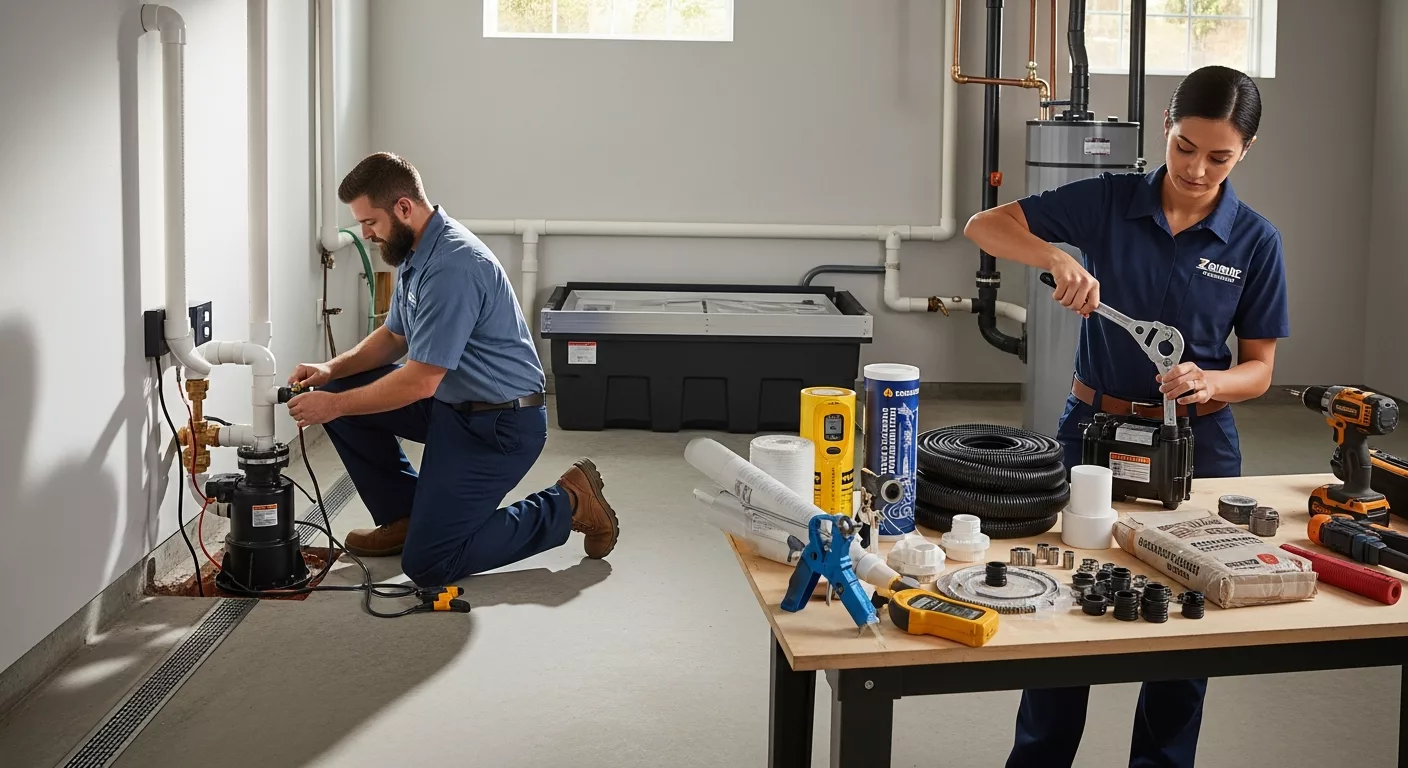
Your sump pump serves as your basement’s first line of defense against flooding, but only if it’s properly installed, maintained, and equipped with reliable backup systems. Chicago’s unpredictable weather patterns and aging municipal infrastructure put extraordinary demands on residential sump pumps, making professional-grade solutions essential for reliable basement flood protection.
Choosing the Right Sump Pump System
Pedestal pumps cost less initially but struggle with Chicago’s heavy clay soil and debris-laden water. Submersible pumps, while more expensive, handle our local conditions better and operate more quietly. For optimal protection, we recommend systems with at least 1/2 horsepower capacity and the ability to pump 3,000 gallons per hour.
The pump’s float switch determines when it activates, and mechanical switches prove more reliable than pressure-activated models in Chicago’s challenging conditions. We install switches that trigger the pump when water reaches two inches in the sump pit, providing faster response than standard settings.
Battery backup systems aren’t luxury items—they’re necessities. Severe storms often cause power outages exactly when you need your sump pump most. High-quality backup systems can run for 8-12 hours without power, protecting your basement even during extended outages. We’ve installed backup pumps that saved basements during the major power outages that followed recent severe storms in the Chicago area.
Essential Sump Pump Maintenance Tasks
Sump pump maintenance requires monthly attention, not just annual check-ups. Pour water into your sump pit until the pump activates, ensuring it starts quickly and pumps water efficiently. The discharge should be strong and steady, not weak or intermittent.
Clean debris from the sump pit quarterly, removing leaves, dirt, and small objects that could jam the float switch or damage the impeller. Check that the float moves freely and doesn’t stick against the pit walls. A stuck float switch is one of the most common causes of sump pump failure during critical moments.
Inspect discharge pipes for clogs, cracks, or disconnections. Winter freeze-ups in discharge lines cause pump failure and potential basement flooding. We install discharge lines with proper slope and freeze-resistant features to prevent these problems.
Test your battery backup system monthly by unplugging the primary pump and ensuring the backup activates properly. Replace backup batteries every 2-3 years, regardless of their apparent condition. Battery failure during storms has caused more preventable basement floods than any other single factor we encounter.
Foundation Drainage Systems That Actually Work
Effective foundation drainage solutions go beyond simple gutters and downspouts. Chicago’s clay soil retains water and creates hydrostatic pressure against foundation walls, requiring comprehensive drainage strategies that address both surface water and groundwater management.
Exterior Foundation Waterproofing
Professional exterior waterproofing involves excavating around your foundation to install waterproof membranes and drainage systems directly against foundation walls. This approach stops water before it penetrates your basement, making it the most effective long-term solution for basement waterproofing Chicago properties require.
French drain systems installed around your foundation’s perimeter collect groundwater and direct it away from your home before it can create basement flooding. These systems work particularly well in Chicago’s clay soil, which tends to trap water against foundation walls during heavy rains.
Proper grading around your foundation ensures surface water flows away from your home rather than pooling against basement walls. Your yard should slope at least 6 inches over the first 10 feet from your foundation. Many Chicago homes have settled over decades, creating depressions that direct water toward basements instead of away from them.
Interior Drainage Solutions
Interior drain tile systems capture water that penetrates your foundation and channel it to your sump pump before it can flood your basement. Modern interior systems can be installed without extensive excavation, making them practical solutions for existing homes.
Basement wall sealers and waterproof coatings provide additional protection against minor water penetration, but they’re supplementary measures, not complete solutions. Professional-grade sealers last longer and provide better protection than consumer products, but they work best as part of comprehensive drainage systems.
Floor crack injection stops water penetration through foundation floor cracks using specialized polyurethane or epoxy compounds. This technique works well for addressing specific problem areas, but significant cracks may require more extensive foundation repairs.
Emergency Preparedness: What to Do When Water Threatens Your Home
Even the best basement flooding prevention systems can be overwhelmed by extreme weather events or equipment failures. Having a detailed emergency response plan helps minimize damage and protect your family’s safety when water threatens your basement.
Pre-Storm Preparation Checklist
Monitor weather forecasts and prepare your basement before severe storms arrive. Test your sump pump, clear floor drains, and ensure battery backups are fully charged. Move valuable items from your basement floor to higher shelves or upper floors when flooding seems likely.
Check that your main water shut-off valve operates smoothly and that all family members know its location. If basement flooding includes sewage backup, shutting off water prevents additional contaminated water from entering your home’s plumbing system.
Prepare emergency supplies including flashlights, battery-powered radio, emergency phone numbers, and waterproof containers for important documents. Keep these items in an upstairs location where they’ll remain accessible if your basement floods.
During Flood Events
Never enter a flooded basement if electrical outlets, switches, or appliances might be underwater. Electrocution risk makes flooded basements extremely dangerous until power is shut off at the circuit breaker. If you smell gas or suspect gas line damage, evacuate immediately and call emergency services.
Document flood damage with photographs for insurance claims, but only after ensuring your safety. Take pictures of water levels, damaged items, and any visible causes of flooding such as failed sump pumps or cracked foundation walls.
Contact professional water removal services quickly. The first 24-48 hours after flooding are critical for preventing mold growth and minimizing structural damage. Our emergency response team provides 24/7 service for basement flooding emergencies, helping Chicago homeowners minimize damage and begin recovery immediately.
Preventative Maintenance Programs to Protect Your Investment
Consistent preventative maintenance prevents most basement flooding disasters and extends the life of your waterproofing systems. Professional maintenance programs catch developing problems before they cause costly failures, providing peace of mind and long-term savings for Chicago homeowners.
Annual Professional Inspections
Our comprehensive basement inspections examine sump pumps, drainage systems, foundation integrity, and backup equipment. We test all systems under actual operating conditions, not just visual inspections that miss developing problems.
Professional inspections identify issues homeowners typically miss, such as gradual sump pump performance decline, partially blocked drainage systems, or minor foundation movement that creates new leak points. Early detection allows for repairs before emergency situations arise.
We provide detailed written reports documenting your basement’s condition, recommended improvements, and maintenance schedules for optimal protection. These reports help you budget for necessary upgrades and provide valuable documentation for insurance purposes.
Seasonal Maintenance Tasks
Spring preparation involves testing all systems after winter freeze-thaw cycles. We inspect sump pump discharge lines for freeze damage, test backup systems, and clear any debris that accumulated during winter months. Spring is also the ideal time for any necessary repairs before summer storm season.
Fall preparation focuses on winter readiness. We service backup battery systems, inspect and clean sump pits, and ensure discharge lines have proper slope and freeze protection. Fall maintenance prevents cold-weather failures that leave basements vulnerable during spring thaws.
Ongoing monitoring includes monthly homeowner tasks like testing sump pumps, checking floor drains, and inspecting visible foundation areas for new cracks or water stains. We provide maintenance checklists and phone support to help homeowners maintain their systems between professional visits.
When to Call Licensed Professionals vs. DIY Solutions
Understanding which basement flooding prevention tasks you can handle yourself versus those requiring professional expertise helps you make smart decisions about protecting your investment. While some maintenance tasks suit DIY approaches, complex installations and repairs demand professional skills and equipment.
Safe DIY Maintenance Tasks
Monthly sump pump testing involves pouring water into the sump pit and observing pump operation. You can safely clean debris from sump pits, check float switch movement, and test backup battery systems. These routine tasks help you catch obvious problems early.
Basic gutter cleaning and minor grading improvements around your foundation can reduce surface water problems. Applying basement wall sealers to small areas and maintaining proper drainage around window wells are manageable DIY projects that support overall basement protection.
Monitoring and documenting foundation conditions helps you track changes over time. Taking photos of cracks, measuring their size, and noting any changes provides valuable information for professional evaluations when needed.
When Professional Help Is Essential
Sump pump installation requires electrical connections, proper pit sizing, and discharge system design that meets local codes. Incorrect installation creates safety hazards and often fails during critical moments when you need protection most.
Foundation repairs, drainage system installation, and waterproofing projects require specialized equipment, materials, and expertise. Professional contractors carry proper licensing, insurance, and warranties that protect your investment and ensure work meets building codes.
Emergency flooding situations demand immediate professional response. Our Emergency Drain Cleaning Chicago: 24/7 Professional Solutions service provides rapid response when basement flooding threatens your home.
Complex diagnostic work, such as identifying hidden leaks or designing comprehensive drainage solutions, requires professional assessment tools and experience with Chicago-area soil and construction conditions. What appears to be a simple problem often involves multiple contributing factors that only trained professionals can properly address.
The Value of Professional Relationships
Establishing relationships with qualified professionals before emergencies occur provides several advantages. We know our customers’ systems, property conditions, and previous work history, enabling faster diagnosis and more effective solutions during crisis situations.
Professional service relationships also provide access to emergency response, warranty coverage, and ongoing support that saves money and stress over time. Our maintenance customers receive priority scheduling and discounted emergency services when unexpected problems arise.
For comprehensive solutions, consider our Sump Pump Repair Chicago: Expert Solutions & Prevention Tips service, which addresses both immediate repairs and long-term prevention strategies tailored to your specific situation.
Additional Protection Strategies for Chicago Homeowners
Beyond basic sump pumps and drainage, several additional strategies provide extra layers of basement flood protection specifically designed for Chicago’s challenging conditions.
Backwater Valve Installation
Backwater valves prevent sewage from backing up through your floor drains during heavy storm events when municipal systems become overwhelmed. Chicago’s combined sewer system makes sewage backup a significant risk during major storms, and backwater valves provide essential protection against this particularly destructive type of basement flooding.
Professional backwater valve installation requires proper sizing, placement, and connection to your home’s drainage system. These valves need regular maintenance to ensure they operate correctly when needed, making professional installation and service essential for reliable protection.
Smart Monitoring Systems
Modern basement monitoring systems send smartphone alerts when water levels rise, sump pumps activate, or power failures occur. These systems provide early warning that allows you to respond quickly to developing problems, potentially preventing minor issues from becoming major disasters.
Advanced monitoring systems can automatically notify emergency services or trusted neighbors when you’re away from home, ensuring rapid response even when you’re traveling. Some systems integrate with home automation platforms, allowing remote monitoring and control of basement protection systems.
Insurance Considerations and Documentation
Proper documentation of your basement flooding prevention measures can affect insurance coverage and claims processing. Understanding insurance requirements helps you make informed decisions about protection investments and ensures you’re properly covered when problems occur.
Many insurance policies exclude flood damage but may cover water damage from specific causes like sump pump failure or sewage backup. Installing professional-grade prevention systems and maintaining detailed service records can support insurance claims and may qualify you for policy discounts.
According to FEMA flood insurance guidelines, standard homeowner’s insurance doesn’t cover flooding from external sources, making prevention systems even more critical for financial protection. Professional installation and maintenance documentation helps establish the cause of water damage for insurance purposes.
The EPA stormwater management resources provide additional information about municipal drainage systems and how they interact with residential basement protection systems.
Cost-Benefit Analysis of Prevention Investments
Basement flooding prevention requires upfront investment, but the costs are minimal compared to flood damage expenses. Average basement flood cleanup costs range from $10,000 to $50,000, while comprehensive prevention systems typically cost $3,000 to $15,000 depending on your home’s specific needs.
Prevention system investments also increase property values and provide ongoing benefits beyond flood protection. Professional basement waterproofing reduces humidity, prevents mold growth, and creates usable living space that adds value to your home.
The University of Minnesota basement flooding prevention research demonstrates that comprehensive prevention systems reduce flooding risk by over 95% when properly installed and maintained.
Energy savings from reduced humidity and improved basement conditions can offset system maintenance costs over time. Dry basements require less dehumidification and create more comfortable living environments that reduce overall home energy consumption.
Conclusion: Take Action Before the Next Storm
Effective basement flooding prevention requires combining multiple strategies tailored to your specific property and Chicago’s unique challenges. The seven essential steps we’ve outlined—recognizing warning signs, maintaining sump pumps, implementing drainage solutions, preparing for emergencies, following maintenance programs, knowing when to call professionals, and adding extra protection layers—work together to create comprehensive flood protection.
Don’t wait until the next severe storm threatens your basement. At Ace Plumbers, our three generations of experience protecting Chicago-area homes means we understand exactly what works in our local conditions. We’ve helped thousands of homeowners implement these basement flooding prevention strategies, and we’re ready to help you protect your home too.
Whether you need professional residential plumber Hinsdale services or comprehensive basement protection systems, our licensed, bonded, and insured team provides the expertise and reliability you need. We offer transparent pricing, American-made parts, and warranty-backed service that gives you confidence in your investment.
Contact Ace Plumbers today at (708) 204-8602 to schedule your basement flood prevention assessment. Our team will evaluate your specific situation, recommend appropriate solutions, and provide detailed estimates for protecting your home. For residents in surrounding areas, our Indian Head Park Plumber services provide the same level of expertise and reliability throughout the western suburbs.
Remember, the best time to prevent basement flooding is before water threatens your home. Take action now to protect your family’s safety, preserve your property value, and gain peace of mind knowing your basement will stay dry when the next storm hits Chicago.
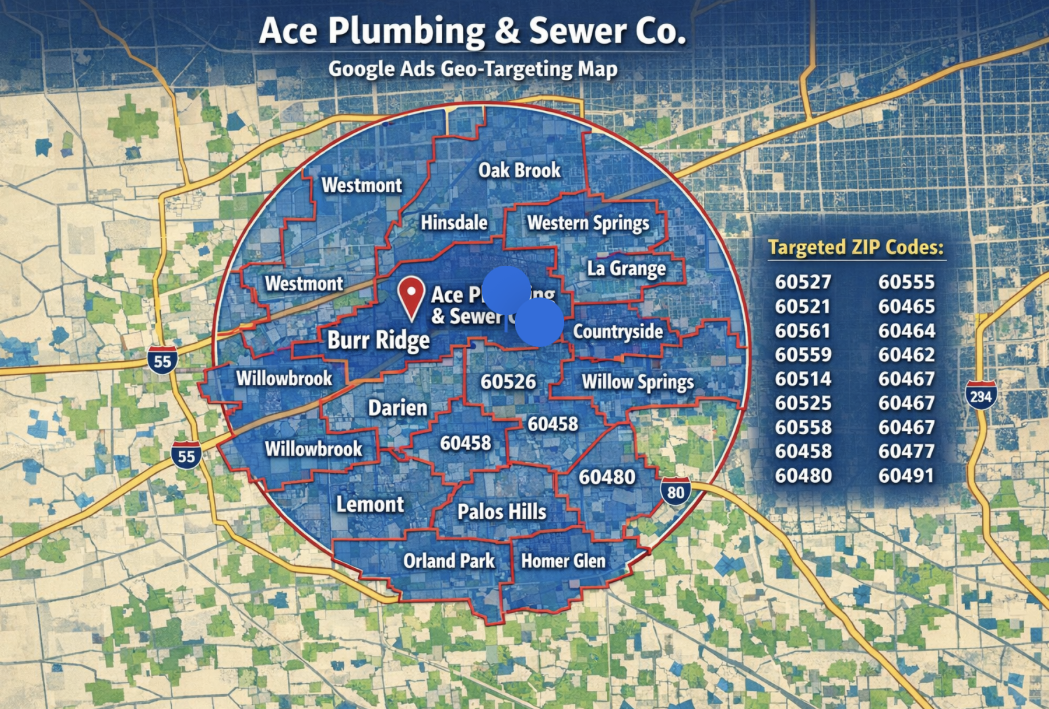
Proudly serving Burr Ridge and Southwest Chicago
Request a free quote
Tell us what’s going on and we’ll get right back to you. Need help now? Call and a real plumber answers 24/7.